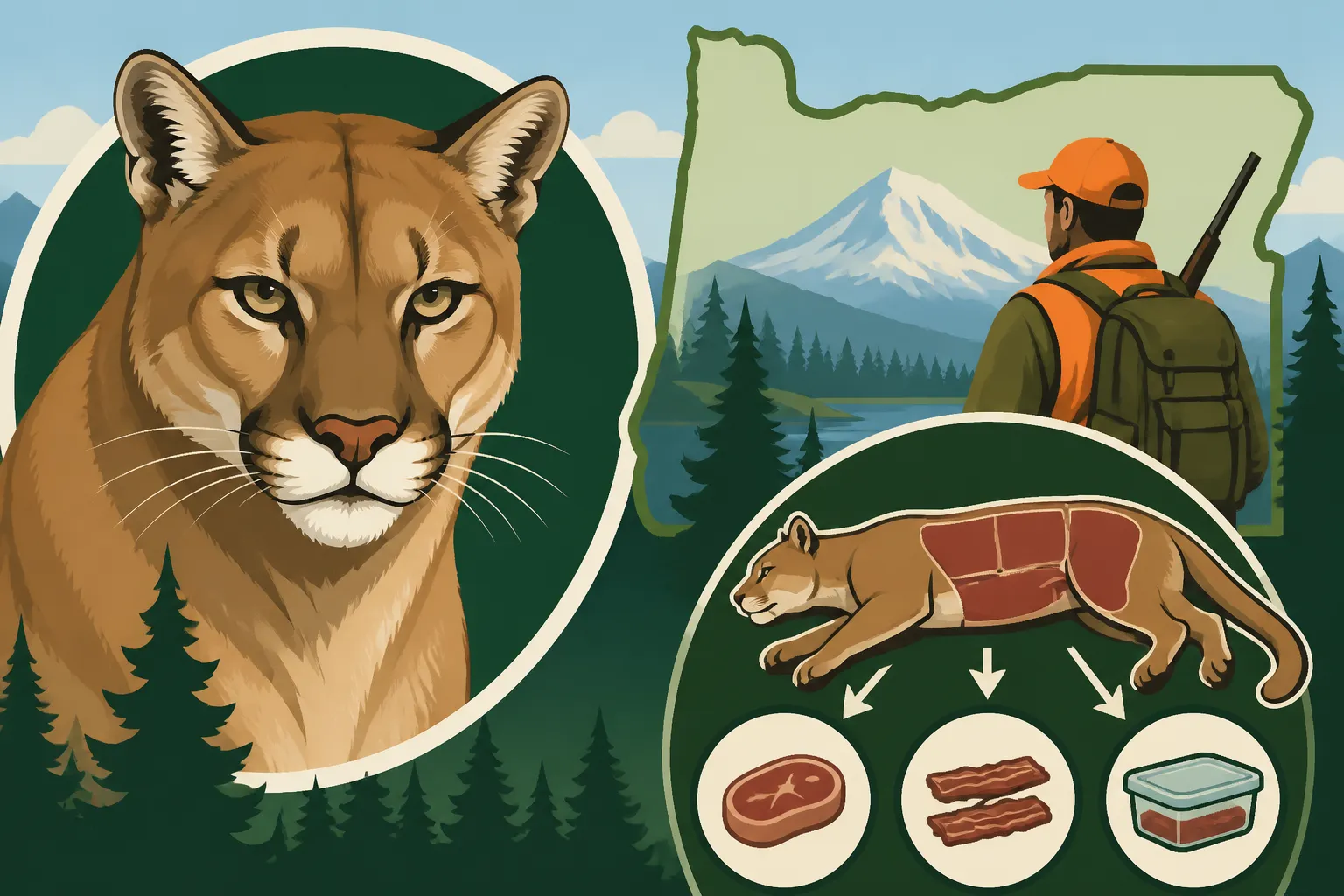
Cougar Meat Salvage Requirement in Oregon
It can be confusing and frankly, a bit frustrating to keep track of all the different hunting regulations, especially when it comes to species that aren't typically thought of as table fare. Many hunters, new and seasoned, grapple with the specific rules for cougars, particularly around what you must do with the animal after a successful hunt. This guide aims to clear up the mandate for cougar meat salvage in Oregon, giving you the clarity and confidence to hunt ethically and legally.
Understanding Oregon's Cougar Hunting Regulations
Oregon has a robust framework of hunting regulations designed to manage wildlife populations sustainably and promote ethical hunting practices. While many of these rules seem straightforward for popular game like deer and elk, cougars often present a unique set of questions for hunters. It's not just about the thrill of the hunt; it's about respecting the animal and adhering to the law, which includes specific requirements for the meat.
The Mandate for Meat Salvage
Let's cut right to the chase: In Oregon, if you harvest a cougar, you are legally required to salvage the edible portions of the meat. This isn't an optional suggestion; it's a mandatory part of the hunt. What does "edible portions" mean in practical terms? It refers to the skeletal muscle tissue of the animal, essentially the parts that you would typically process into steaks, roasts, or ground meat from a deer or elk. It excludes organs, bones, and trimmings that are not generally consumed.
This requirement often surprises hunters, especially those who might have heard old tales or assumptions that cougar meat isn't good to eat. Many states have different rules for predators, sometimes allowing for just the hide or skull to be taken. However, Oregon's stance reflects a deeper ethical principle: if you take an animal's life, you are obligated to utilize its resources responsibly. This isn't just about avoiding waste, but about demonstrating respect for the wildlife we pursue. It means treating a cougar harvest with the same diligence and care you would for a prime elk quarter.
Distinguishing Cougar From Other Game
When we talk about hunting in Oregon, most people immediately think of deer and elk. For these animals, the concept of salvaging meat is deeply ingrained. You wouldn't think of leaving an elk quarter in the field, right? The meat is the primary prize for most, even if the antlers are a bonus. Cougar hunting often has a different mental framing, sometimes leaning more towards predator control or the challenge of the chase, where the hide or skull might feel like the main objective.
However, from a legal and ethical standpoint in Oregon, the cougar is treated with similar regard to other big game animals when it comes to meat utilization. The law doesn't differentiate based on whether a species is primarily a "trophy" animal or considered "table fare" by popular opinion. The expectation is clear: all edible meat must be salvaged. This distinction is crucial because it means hunters cannot simply take the hide or skull and leave the rest of the carcass. Understanding this helps shape your approach to the hunt, ensuring you're prepared not just for the harvest, but for the responsible aftermath.
Practical Aspects of Cougar Meat Salvage
Successfully salvaging cougar meat isn't just about knowing the rule; it's about having a plan and executing it properly in the field and beyond. Like any wild game, the quality of the meat depends heavily on how it's handled from the moment the animal is down.
Field Dressing and Care in the Field
The moment you harvest a cougar, the clock starts ticking, especially if temperatures are mild. Prompt and thorough field dressing is paramount. This means eviscerating the animal as quickly as possible to allow the body to cool down. Cougar bodies can hold a surprising amount of heat, and failing to cool them quickly can lead to bacterial growth and spoilage, rendering the meat inedible and putting you in violation of the salvage requirement.
After field dressing, focus on keeping the meat clean. This often means getting the carcass off the ground, even if it's just on a tarp or some clean branches. If you plan to salvage the hide, be mindful during skinning to avoid cutting into the meat more than necessary. It's a good idea to bring game bags – breathable cloth bags are ideal for protecting the meat from dirt, insects, and drying out while allowing it to cool. Think about where you're hunting: a cougar might lead you into some very steep, remote terrain. Having a clear plan for Quartering and Packing an Elk Alone or any large animal out of difficult spots is critical for successful meat salvage. Remember, like pork, cougar meat can carry trichinosis, so while field dressing, be aware and always cook the meat thoroughly to a safe internal temperature later on.
Transporting and Processing Your Cougar
Getting a cougar out of the field is often one of the biggest challenges, even more so if you're alone. These animals can be surprisingly heavy, and often you find them in places far from any road. Having a sturdy pack frame and knowing how to efficiently quarter the animal can make all the difference. Once quartered and bagged, your priority is rapid transport to a cooler environment. This usually means a large cooler packed with plenty of ice. Layer the meat, ideally still in game bags, with ice, ensuring good air circulation if possible.
Once home, you have the choice of processing the cougar meat yourself or taking it to a professional butcher. If you choose to process it at home, treat it much like you would pork. Remove any silver skin, excess fat, and sinew. Cougar meat can have a fine grain and a mild flavor, but sometimes a bit of fat can contribute to a stronger "wild" taste, so trimming is key. Consider grinding some for sausage or chili, and cut steaks and roasts from the larger muscle groups. For those interested in Butchering Your Own Deer at Home, the principles are quite similar, just be mindful of the different muscle structure and potential size. Remember, proper cooling and handling from the moment of harvest through processing is the backbone of good wild game meat.
Edibility and Culinary Uses
Despite some lingering myths, cougar meat is absolutely edible and can be quite delicious when properly handled and prepared. Many who have tried it describe its flavor as being similar to lean pork, or even veal, with a slightly sweet or mild gamey undertone. The texture is usually quite fine-grained and tender. The biggest hurdle for some is simply the mental block of eating a predator, but once they try it, they're often pleasantly surprised.
Given the potential for trichinosis, thorough cooking is non-negotiable. Always cook cougar meat to an internal temperature of at least 160°F (71°C) to ensure any parasites are destroyed. This means no rare cougar steaks! It excels in dishes where thorough cooking is part of the preparation: stews, chili, roasts, or ground meat for meatballs and burgers. Marinating can help tenderize and enhance flavors, much like with venison. Don't be afraid to experiment with your favorite wild game recipes; cougar meat is incredibly versatile.
Legal Consequences and Ethical Considerations
Ignoring the meat salvage requirement for cougars in Oregon isn't just a minor oversight; it carries significant legal repercussions and undermines the broader principles of ethical hunting. Understanding both the law and the spirit behind it is essential for every hunter.
Penalties for Non-Compliance
Failing to salvage the edible portions of a harvested cougar is a serious offense in Oregon. The Oregon Department of Fish and Wildlife (ODFW) takes waste of game meat very seriously, and cougar is no exception. Penalties can range from substantial fines that can quickly add up, to the loss of hunting privileges for a period of time, or even a lifetime ban from hunting in Oregon. This could also extend to having your hunting license revoked or suspended.
Imagine drawing a coveted tag after years of waiting, only to have it all stripped away because of a failure to adhere to the meat salvage law. It's a harsh reality, but ignorance of the law is never a valid excuse. As hunters, it's our responsibility to know and follow all regulations. This includes not only the specific rules for cougars but also general ethical guidelines. Always check the latest Oregon hunting regulations pamphlet, and use tools like GoHunt to stay informed about unit-specific rules and changes. A quick call to ODFW can clarify any doubts you might have before heading afield. Understanding the Oregon Wildlife Violation Penalties helps reinforce the importance of meticulous adherence to the rules.
Ethical Hunting and Respect for the Animal
Beyond the legal ramifications, the meat salvage requirement is deeply rooted in the ethics of hunting. As hunters, we are stewards of the land and its wildlife. Taking an animal's life is a profound act, and with it comes the moral obligation to utilize that animal to the fullest extent possible. Leaving edible meat to waste is seen by many, both within and outside the hunting community, as disrespectful to the animal and to the resource.
This ethical stance helps legitimize hunting in the eyes of the public and reinforces the idea that hunters are not simply thrill-seekers but responsible participants in wildlife management. By salvaging cougar meat, you are demonstrating a commitment to conservation and a deep respect for the animal you've pursued. It's about honoring the life taken and ensuring that the harvest serves a purpose beyond just a trophy. This commitment to utilizing the entire animal is a cornerstone of responsible hunting.
Reporting Requirements
While we're on the topic of regulations, it's important to remember that cougars also have specific reporting requirements in Oregon, which are distinct from those for deer or elk. Once you've harvested a cougar, you are required to report it to ODFW within a very specific timeframe, usually within a few days of harvest, and often present the skull and hide for inspection and tagging. This inspection verifies the species, sex, and age, and helps ODFW manage the population effectively.
Failing to report a cougar harvest, just like failing to salvage the meat, can lead to serious penalties. These reporting requirements are critical for wildlife biologists to monitor cougar populations and ensure sustainable hunting seasons. It’s part of the comprehensive management strategy that allows for cougar hunting to continue. Always make sure you understand the Oregon Cougar Tag Rules and Quotas fully before you head out.
Overcoming Challenges and Maximizing Your Harvest
Successfully meeting the cougar meat salvage requirement can present challenges, but with proper planning and knowledge, you can ensure a successful and ethical hunt.
Planning for Success
The key to overcoming challenges in the field is always preparation. Before you even head out to hunt cougars, consider the logistical aspects of meat salvage. Will you be hunting in areas where you can quickly retrieve the animal and get it cooled? Do you have the right gear? This includes sharp knives, game bags, a sturdy pack frame, and plenty of ice and coolers in your vehicle. For remote hunts, a lightweight tarp for keeping meat clean and a hand saw or hatchet for quartering can be invaluable.
Think about the time of year and anticipated temperatures. A cougar harvested in the heat of early season will require much faster action than one taken during a cold winter hunt. Using tools like GoHunt for e-scouting can help you identify areas with reasonable access for extraction, even if you’re planning a deep woods hunt. It’s also wise to Scouting With Trail Cameras on Oregon Public Land to understand animal movements and terrain features. Don't underestimate the value of a hunting partner; an extra set of hands can make field dressing, quartering, and packing out much easier and faster, directly contributing to better meat quality.
Resources and Further Information
Staying informed is perhaps the most critical tool a hunter has. The Oregon Department of Fish and Wildlife (ODFW) is your primary resource for all regulations. Their annual hunting regulations pamphlet is a must-read, and they often have specific information sheets or online resources dedicated to cougar hunting. Don't hesitate to call your local ODFW office if you have specific questions about a unit or a particular regulation – they are there to help clarify.
Beyond official channels, the hunting community itself is a vast resource. Local hunting clubs, forums, and experienced hunters can offer practical advice on everything from field dressing techniques for cougars to delicious recipes. Websites and apps like GoHunt also provide valuable mapping tools and regulatory summaries that can help you plan your hunt with confidence, ensuring you understand unit boundaries, public land access, and specific rules. Knowing where to get reliable information will empower you to make responsible decisions in the field.
Here’s a quick overview of meat salvage requirements for common big game in Oregon:
| Species | Meat Salvage Requirement | Common Use of Meat | Handling Considerations |
|---|---|---|---|
| Cougar | Mandatory | Roasts, steaks, ground meat, stews (similar to lean pork) | Cook thoroughly (160°F+) due to trichinosis risk. Cool quickly. |
| Elk (Roosevelt/Rocky Mt.) | Mandatory | Steaks, roasts, ground, jerky, sausage | Large volume, rapid cooling crucial, especially for Field Dressing an Elk in Warm Early-Season Weather. |
| Deer (Blacktail/Mule) | Mandatory | Steaks, roasts, ground, jerky, stew meat | Smaller than elk, but still needs quick cooling and clean handling. |
| Bear (Black) | Mandatory | Roasts, stew meat, ground meat, jerky (often rendered for lard) | Cook thoroughly (160°F+) due to trichinosis risk. Fat spoils quickly, trim well. |
| Pronghorn | Mandatory | Steaks, roasts, ground (known for mild, fine-grained meat if handled correctly) | Cool very quickly, meat can spoil fast in hot, dry conditions. |
| Bighorn Sheep / Goat | Mandatory | Steaks, roasts, ground (prime table fare) | Often found in remote, steep country requiring careful pack-out. |
| Turkey | Mandatory | Breast fillets, thigh meat (similar to domestic turkey) | Relatively small, easy to clean and cool. |
The bottom line is that while cougar hunting presents unique challenges and considerations, the requirement to salvage the meat is a clear and non-negotiable part of ethical and legal hunting in Oregon. Being prepared, informed, and respectful of the animal will lead to a successful hunt and a freezer full of delicious, lean wild game.
Disclaimer
This article is for general informational purposes only and does not constitute professional advice. Laws, prices and regulations vary by location and change over time. Consult a qualified professional for guidance on your specific situation.