Oregon Bighorn Sheep and Goat Applications
For many devoted hunters, the dream of pursuing Bighorn Sheep or Mountain Goat in Oregon feels like a distant, almost mythical quest. The reality is, drawing one of these highly coveted tags is an exercise in extreme patience and persistence, often spanning decades. This comprehensive guide will walk you through the unique application process, the low odds, the incredible rewards, and what it truly takes to chase these iconic animals in Oregon's rugged landscapes.
The Rarity and Allure of Oregon Bighorn and Goat Tags
Let's be real: these aren't your typical general season deer or elk tags. Oregon's bighorn sheep and mountain goat hunts are, for most, a once-in-a-lifetime opportunity. The sheer difficulty in drawing one makes the dream all the more potent, and for good reason—these animals live in some of the most breathtaking, challenging terrain Oregon has to offer. The low tag numbers reflect not just the limited populations, but also the state's careful management to ensure these species thrive.
Understanding the "Once-in-a-Lifetime" Factor
Oregon has specific rules in place that define these hunts as "once-in-a-lifetime." This isn't just a catchy phrase; it means if you are fortunate enough to draw and harvest a California bighorn, Rocky Mountain bighorn, or a mountain goat, you are generally ineligible to draw another tag for that specific species in Oregon again. This rule is a major factor contributing to the incredibly long odds, as it means the pool of eligible applicants resets each year (minus those who have already drawn and harvested). It ensures that as many different hunters as possible get a chance at these unique experiences over time. Understanding the nuances of the Once-in-a-Lifetime Rules for Oregon Sheep and goats is critical for any serious applicant.
This strict limitation emphasizes the incredible value and stewardship associated with these tags. It’s not just about taking an animal; it's about participating in a deeply regulated system that values conservation and equal opportunity over repeated harvests by the same individuals. This makes every application, even those that don't draw, a contribution to the long-term health of these populations.
The Extreme Challenge of Drawing a Tag
To say the odds are long for Oregon Bighorn Sheep and Mountain Goat applications is an understatement. We're talking lottery-ticket level chances, sometimes worse. While standard controlled hunts utilize a preference point system, Oregon's Bighorn Sheep and Mountain Goat draws operate entirely differently. There's no accumulating points year after year to improve your chances. Instead, every applicant essentially starts from scratch each time they apply, making it a true random draw system. This is why Oregon Sheep Has No Point System.
This "zero-point" system means that whether it's your first year applying or your twentieth, your chances are technically the same as everyone else's for that specific year. While this can be frustrating for those who've been applying for decades, it also means a first-time applicant has just as much of a shot as a seasoned veteran. It boils down to a pure numbers game, dependent solely on the number of tags offered in a given unit and the total number of applicants. For example, some units might only offer one or two tags annually, meaning hundreds or even thousands of applicants are vying for just a couple of spots. The allure, however, is that even with these slim odds, someone does draw every year, and that "someone" could be you.
Navigating the Oregon Application Process for Sheep and Goat
Applying for one of these rare tags can feel intimidating, especially with the unique rules that set them apart from other controlled hunts. It's essential to meticulously follow the Oregon Department of Fish and Wildlife (ODFW) guidelines to ensure your application is valid and has its best chance.
Essential Application Deadlines and Fees
Just like any other controlled hunt in Oregon, there's a strict window for applying. The primary Oregon Controlled Hunt Application Deadline typically falls on May 15th each year. Missing this deadline means waiting another year, so mark your calendars well in advance! You'll need to submit your application through the ODFW online licensing system.
When it comes to fees, you'll need a valid Oregon hunting license to apply, and there's a non-refundable application fee for each species you apply for. This is usually a small amount, but it adds up if you apply for multiple species across multiple states. For example, a non-resident might be looking at a significant investment just for the application fees, before even considering the cost of the tags themselves if drawn. It's crucial to check the current year's ODFW Big Game Regulations pamphlet for the precise Oregon Controlled Hunt Application Fee, as these can occasionally change. Remember, these fees simply cover the processing of your application, they do not guarantee a tag.
The Unique Draw System for These Species
As mentioned, bighorn sheep and mountain goat applications in Oregon are distinct because they do not use a preference point system. This sets them apart from deer and elk controlled hunts where points are accumulated to increase future draw odds. For sheep and goats, every single application is thrown into the same bucket, and tags are awarded through a completely random lottery system. This means that past years of applying without success don't "build" anything for these specific species.
The randomness is both a blessing and a curse. It's a blessing because it means a new hunter has just as much of a chance as someone who's been applying for decades, making the dream accessible to everyone from day one. It's a curse because it can feel like you're constantly starting over, with no tangible improvement in your odds year-to-year. This system underscores the pure luck involved in drawing a coveted Oregon Bighorn Sheep or Mountain Goat tag. When the Oregon Draw Results come out in June, it's truly a moment of pure chance for these tags.
Understanding Your Choices on the Application
When you're filling out your application online, you'll be prompted to make your hunt choices. You typically get three choices for each species you apply for. For example, if you're applying for bighorn sheep, you can list a first, second, and third choice unit. However, with the extremely limited tag numbers for sheep and goats, it's very rare for a tag to be drawn on anything other than a first choice. Therefore, it's critical to put your absolute top choice, the unit you most want to hunt, as your number one.
It's tempting to try and game the system by putting an unpopular unit as a first choice in hopes of better odds, but for these specific species, with such low tag allocations, this strategy often doesn't pay off. Your best bet is to apply for the unit you genuinely desire to hunt and simply hope for the best. Researching the specific units, the types of terrain, and the Bighorn Ram Horn Growth Rings from past harvests can help you make an informed decision on your first choice. You can learn more about How Many Choices on an Oregon Application are allowed.
| Species & Tag Type | Average Tags Available (Annual) | General Draw Odds (Approximate) | Points System | Once-in-a-Lifetime Rule |
|---|---|---|---|---|
| California Bighorn | 1-5 per unit (few units) | 0.1% – 0.5% | No | Yes |
| Rocky Mountain Bighorn | 1-3 per unit (very few units) | 0.05% – 0.2% | No | Yes |
| Mountain Goat | 1-2 per unit (one main unit) | 0.01% – 0.1% | No | Yes |
Note: Tag numbers and draw odds fluctuate annually based on ODFW population assessments and applications received. These are rough estimates for illustrative purposes.
Oregon's Bighorn Sheep and Mountain Goat Herds
Understanding where these incredible animals live and the challenges their populations face is part of what makes these tags so special. Oregon is home to two subspecies of bighorn sheep and a small, but growing, population of mountain goats.
Where Oregon's Bighorn Sheep Live
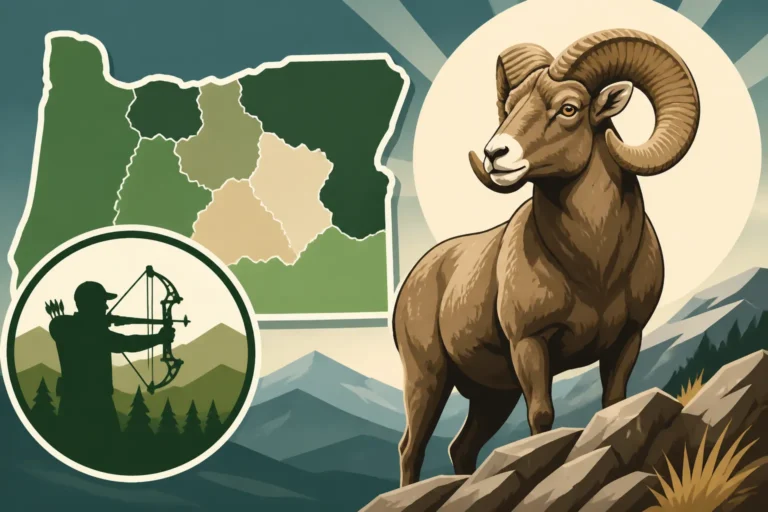
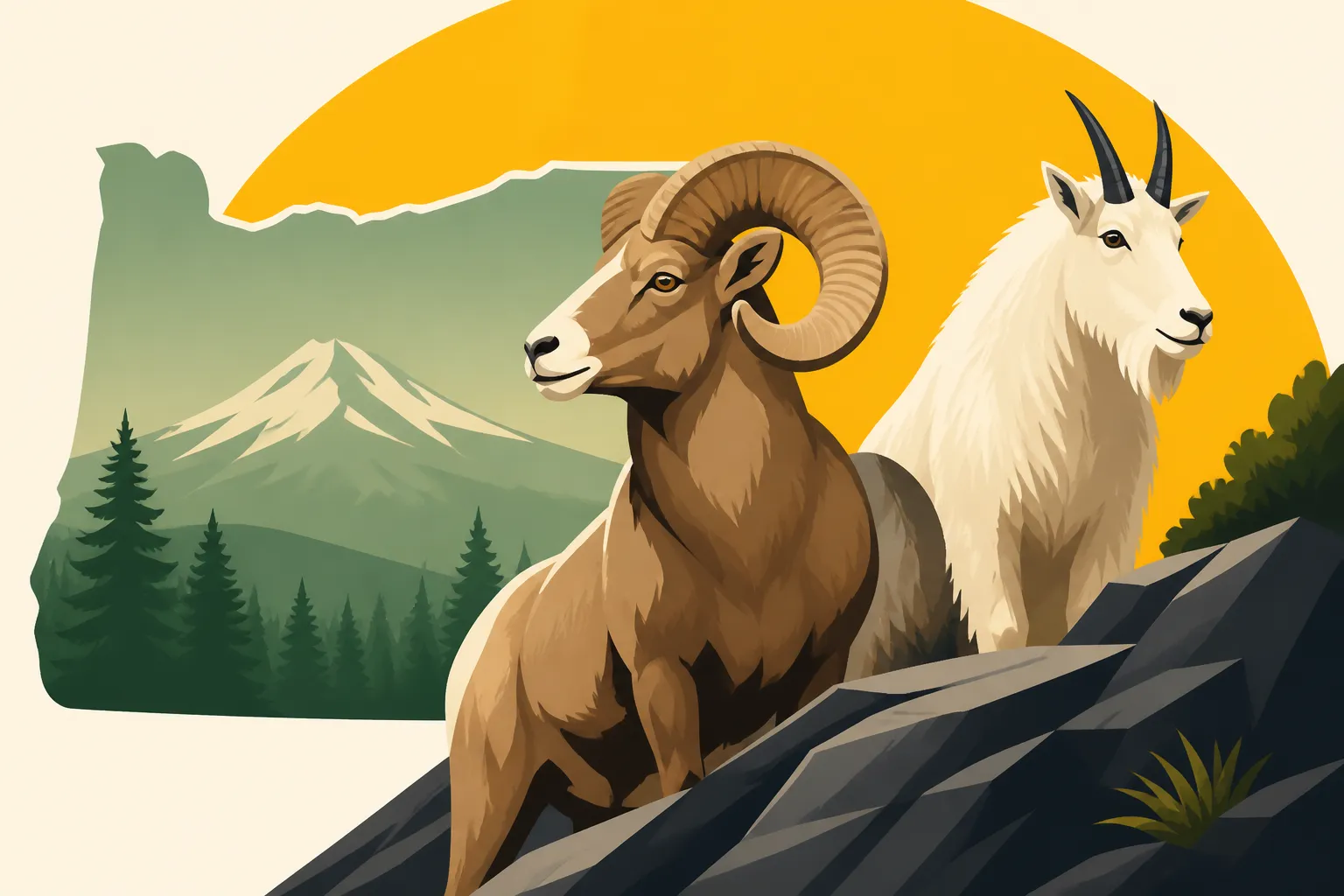
Oregon's bighorn sheep populations are divided into two distinct groups: California bighorn sheep and Rocky Mountain bighorn sheep. The California bighorn are primarily found in the rugged, arid canyonlands and rimrock country of Eastern Oregon, particularly in areas like the Deschutes River Canyon, John Day River, and parts of the Owyhee Breaks. These sheep are true masters of their environment, thriving in steep, rocky habitats that offer both escape terrain from predators and access to forage. The reintroduction efforts for California Bighorn Sheep have been a conservation success story in many of these areas, though their numbers remain tightly controlled to prevent overgrazing and disease.
Rocky Mountain bighorn sheep, on the other hand, are found in the far northeastern corner of the state, most notably in the steep, majestic Hells Canyon region of the Wallowa-Whitman National Forest. These are generally larger animals with impressive, heavy horns, often sought by hunters looking for true trophy potential. Their habitat is characterized by extreme elevations, deep canyons, and remote wilderness. The health of these herds is constantly monitored, especially regarding issues like Bighorn Pneumonia Die-Offs, which can devastate populations quickly.
Mountain Goat Strongholds in Oregon
Oregon's mountain goat population is much smaller and more localized than its bighorn sheep. The primary, and essentially only, huntable population is found in the Wallowa Mountains, specifically within the Eagle Cap Wilderness and surrounding high country. These iconic white-coated animals inhabit the highest, most precipitous peaks and alpine basins, making their hunts incredibly demanding and physically taxing. While the Rocky Mountain Goats in Oregon's Wallowas are a sight to behold, their numbers are carefully managed.
The limited number of tags for mountain goats reflects their relatively small population size and the challenging nature of their habitat. ODFW works hard to monitor Oregon Mountain Goat Herds and Growth, ensuring sustainable hunting opportunities while protecting the long-term viability of the species. Spotting these animals in their natural element, clinging to sheer rock faces, is an experience in itself, whether you have a tag in your pocket or not.
Population Dynamics and Conservation Efforts
Both bighorn sheep and mountain goat populations face a range of challenges, from habitat encroachment and disease to predator impacts. ODFW, alongside various conservation groups, actively works on management strategies to support these herds. For bighorns, this includes managing disease transmission from domestic sheep, habitat restoration projects, and careful regulation of hunting pressure. The threat of pneumonia, in particular, is a constant concern for bighorn sheep, and outbreaks can significantly impact herd health and future tag allocations.
For mountain goats, conservation efforts focus on maintaining their alpine habitat and monitoring their growth in a relatively isolated environment. The extreme elevation and ruggedness of their habitat naturally limits human impact, but careful management of both hunting and non-hunting recreational activities is still important. Understanding the challenges faced by these species underscores the privilege of receiving one of these tags and the responsibility that comes with it.
Maximizing Your Odds and Application Strategy
Even though it's a pure lottery system, there are still ways you can be strategic with your Oregon Bighorn Sheep and Mountain Goat applications. It's not about cheating the system, but about making informed decisions to give yourself the best possible chance.
Researching Units and Hunt Choices
Before you even think about applying, deep-dive into the available units. Don't just pick one because it sounds cool. Resources like the ODFW hunt statistics reports, which detail harvest success rates, ram and billy sizes, and application numbers from previous years, are invaluable. Websites like GoHunt also provide extensive data analysis and draw odds specific to Oregon, helping you understand the competition for each unit. Look at units that consistently offer tags, even if it's only one or two, and compare the number of applicants. Is there a unit that historically has slightly better Oregon Bighorn Unit Odds or Oregon Mountain Goat Draw Odds than others, even if marginally?
Consider the type of hunt you'd prefer as well. Do you want a truly remote, physically demanding hunt in the Rocky Mountain bighorn range of Hells Canyon, or are you more interested in the California bighorn terrain of the high desert? While the choice is mostly about a dream, understanding the reality of what a tag in a certain unit entails can help solidify your first choice. For example, some units might require specialized equipment or experience in Backpack Camps in Oregon Wilderness.
Utilizing Data and Scouting Tools
In this day and age, information is power. Online mapping tools with public/private land ownership layers, historical burn data, and topographic maps are essential. Services like GoHunt's Insiders program provide detailed unit breakdowns, offering insights into terrain, access, and even past harvest locations. While you can't scout a unit extensively until you draw a tag, you can "e-scout" it thoroughly beforehand. Look for areas with a good mix of feed, water, and escape cover. Identify potential access points, whether by vehicle or on foot, and consider the sheer vertical gain often required to reach bighorn or goat habitat.
Studying historical weather patterns for your chosen unit can also be beneficial, as extreme conditions can greatly impact a hunt. Understanding the typical season dates for Oregon Bighorn Sheep and Goat applications and planning for potential weather is part of a complete strategy. While the random draw means less emphasis on year-round scouting like for deer and elk, having a solid understanding of the terrain once you draw is paramount.
The Role of Auction and Raffle Tags
Beyond the general draw, there's another avenue to obtain one of these coveted tags: auction and raffle tags. Each year, several Bighorn Sheep and Mountain Goat tags are allocated to conservation organizations for fundraising purposes. These tags are then sold through auctions (often at national conventions) or raffled off, with the proceeds going directly back into conservation efforts for these species.
While these tags come with a significant price tag – often tens of thousands of dollars, or even more for auction tags – they offer a guaranteed hunt without having to navigate the low odds of the general draw. For hunters who have the financial means and a deep passion for conservation, this can be an attractive option. It's a way to ensure a tag and simultaneously contribute substantial funds to the very animals you wish to hunt. However, for most hunters, the general draw remains the most accessible path, despite the extreme odds.
Preparing for a Once-in-a-Lifetime Hunt
If the stars align and you beat the odds, the real work begins. Drawing a bighorn or goat tag isn't just about showing up; it's about preparing for one of the most physically and mentally demanding hunts Oregon has to offer.
Physical and Mental Conditioning
Let's be blunt: these hunts are not for the faint of heart or the out of shape. Bighorn sheep and mountain goats live in seriously rugged, steep, and often high-elevation terrain. You'll be climbing, descending, and traversing difficult slopes, often at altitudes that will test your lungs. Months of dedicated physical training for an Oregon Elk Hunt-level fitness is a bare minimum. Focus on cardiovascular endurance, leg strength, and hiking with a weighted pack. Simulate the conditions you'll face by hiking steep trails with your hunting gear.
Mental toughness is equally important. These hunts can involve long days of glassing, tough climbs, and potentially days without spotting an animal. You'll need resilience, patience, and the ability to stay positive when exhausted. It’s a true test of grit, and preparing your mind for the challenge is just as crucial as preparing your body.
Essential Gear for Steep Country Hunts
Your gear needs to be top-notch and tailored for extreme mountain environments. Quality footwear is paramount – sturdy, waterproof, ankle-supporting boots with excellent traction are non-negotiable. Layered clothing, including good rain gear, is essential for unpredictable mountain weather. For glassing, you'll need high-quality optics for dark timber versus open sage-like conditions, including binoculars (10x-15x is ideal) and a powerful spotting scope (20-60x or 20-70x) with a stable tripod. Remember, you'll be spending hours Glassing Rimrock at First Light and throughout the day.
A reliable backpack capable of comfortably carrying heavy loads is also critical, as you might be packing out an entire animal alone, or with a partner. Think about the Pack Frame Load Weight for One Hunter and choose accordingly. Other essentials include a rangefinder, GPS device or mapping app (like onX Hunt or GoHunt's mapping tools), headlamp, first-aid kit, water filtration system, and emergency communication device (satellite phone or inReach). Every item should be lightweight, durable, and serve a purpose.
Field Care and Trophy Preservation
Once you've successfully harvested your animal, the work isn't over. Proper field care is paramount, not just for the meat, but especially for the trophy. Bighorn sheep horns and mountain goat skulls are prized possessions, and damage during field dressing or packing can significantly diminish their value. Learn how to cape an animal for a full shoulder mount or European mount correctly. The hide and skull need to be cooled quickly and protected from insects and dirt.
If you're in remote backcountry, you'll need a plan for getting the meat and trophy out. This might involve multiple trips on foot or arranging for a packer with stock. Consider researching What It Costs to Hire a Packer With Stock ahead of time, as this can be a huge asset in rugged terrain. Rapid cooling of the meat, especially in warmer conditions, is critical to prevent spoilage and ensure the best quality wild game. This whole process needs to be thought through meticulously before the hunt even begins.
What Happens After You Draw (or Don't)
The emotional rollercoaster of applying for these tags can be intense, whether you draw or not. Knowing what to expect for either outcome can help manage expectations.
Interpreting Draw Results
When the Oregon Draw Results are released, usually in early June, it's a tense moment for every applicant. You'll typically receive an email notification or you can log into your ODFW account to check your status. If you drew a bighorn sheep or mountain goat tag, congratulations – you've just won the lottery! You'll then need to purchase your tag by a specific deadline. Be aware of the tag cost, which can be substantial for non-residents.
If you didn't draw, which is the far more common outcome, it's easy to feel disheartened. Remember, this is the norm for these particular hunts. There's no preference point carry-over, so the best thing you can do is learn from the experience, perhaps re-evaluate your unit choices for the next year based on new data, and apply again. Many hunters apply for decades before finally drawing one of these highly sought-after tags. It’s all part of the journey when pursuing Oregon's most elusive big game.
Planning for Success (or Next Year's Application)
For those who draw, the real planning for the hunt begins. This includes securing time off work, training rigorously, finalizing gear, and potentially hiring a guide or packer. While some highly experienced hunters might tackle these hunts DIY, many choose to hire a Registered Oregon Hunting Guide, especially for the extreme terrain and challenges involved. Research guides specializing in these species and units, ensuring they are properly licensed through the Oregon Marine Board. Ask about their success rates, logistics, and what a guided hunt package includes.
If you didn't draw, don't despair. Use the time to refine your application strategy for next year. Analyze the latest draw statistics, consider applying for a different unit, and continue to gain experience in physically demanding hunts like Oregon Elk Hunting Tactics for the November Rifle Seasons. Participate in other controlled hunts or general seasons to keep your skills sharp. Each year is a new opportunity, and the dream of an Oregon Bighorn Sheep or Mountain Goat hunt remains alive as long as you keep applying.
Disclaimer
Please note that hunting regulations, seasons, and application processes in Oregon are subject to change by the Oregon Department of Fish and Wildlife (ODFW). Always consult the most current ODFW Big Game Regulations pamphlet and official ODFW website before planning any hunting activity. This guide is for informational purposes only and does not supersede state regulations.