Motels and Camp Hosts in Hunting Towns
After a long day of navigating dense timber, glassing vast sagebrush flats, or perhaps even packing out a hard-earned deer, the last thing you want to worry about is where you're going to sleep. Hunters often find themselves exhausted, muddy, and sometimes a little ripe, yearning for a place that offers more than just a cold tent. This guide is all about finding that much-needed comfort and convenience, exploring the practicalities of motels and camp host sites in Oregon's hunting towns to ensure your basecamp supports your adventure, rather than hindering it.
The Dilemma of Hunting Accommodations: Why Motels and Camp Hosts Matter
Let's be real, few things can drain the joy out of a successful hunt faster than shivering through a cold night, or waking up sore and unrested because your sleeping pad decided to deflate again. For many of us, especially those traveling a significant distance to hit our hunting units, setting up a proper camp is just one more chore in an already long list. It's not just about having a roof over your head; it's about finding a strategic sanctuary that allows you to recover, refuel, and regroup for the next day's efforts. The choice between a warm motel room and a welcoming camp host site can genuinely impact your hunt's success and your overall enjoyment.
Think about it: you've spent months planning, e-scouting, and maybe even some on-the-ground scouting. You've researched the unit, understand the terrain, and have your gear dialed in. But what about that crucial downtime? Do you want to spend it battling the elements at camp, or soaking in a hot shower and getting a solid eight hours in a real bed? The allure of a good base of operations, whether it's a bustling motel in a small Eastern Oregon town like Burns or Lakeview, or a quieter camp host site nestled on the edge of the Willamette National Forest, is undeniable. It's about optimizing your hunting trip by minimizing the logistical headaches of shelter and basic amenities.
This decision isn't trivial. It affects everything from how much gear you need to pack, to how quickly you can dry out wet clothes, to simply having a reliable place to charge your GPS or phone without draining precious vehicle battery. Over the years, I've seen too many hunts cut short or become unnecessarily miserable because hunters didn't give enough thought to their accommodations. Your body and mind need a break from the rigors of the hunt, and the right lodging provides that essential reset button.
Exploring Your Options: Motels Versus Camp Hosts
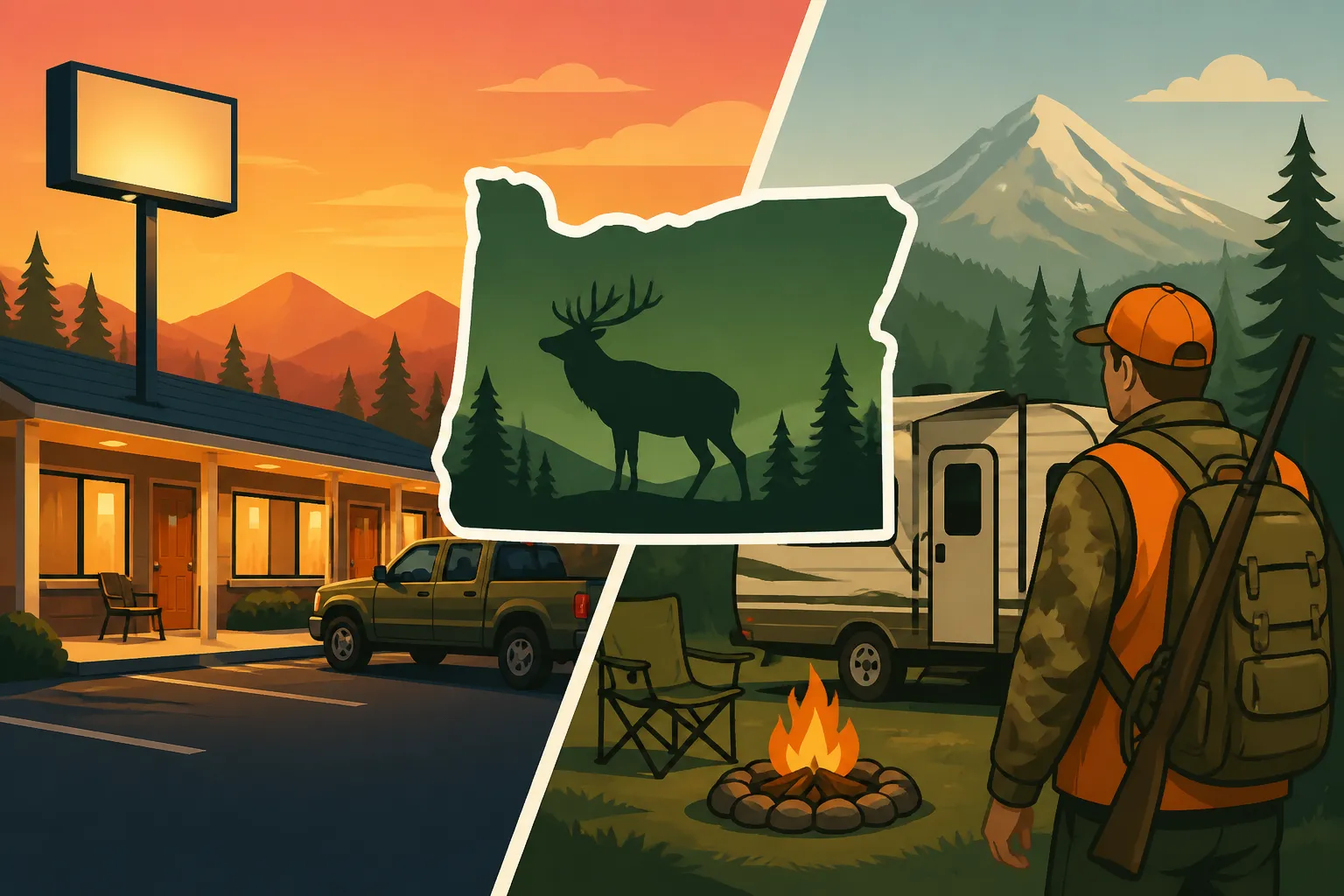
When you're planning an Oregon hunting trip, your choice of accommodation really boils down to two main categories beyond just roughing it in a tent wherever you can find a legal spot: the structured comfort of a motel or the managed outdoor experience of a camp host site. Both have their unique advantages and disadvantages, and understanding them can help you pick the best fit for your hunting style and budget.
The Allure of a Motel: Comfort and Convenience
There's no denying the immediate appeal of a motel after a physically demanding day in the field. Imagine: pulling off the muddy gravel roads, parking your truck, and knowing that within minutes you'll have access to a hot shower. That alone is often worth the price of admission. Motels, especially in smaller hunting towns, offer a level of convenience that's hard to beat. You'll find a real bed, which for those of us with aging backs or just a preference for actual sleep, is a game-changer compared to a sleeping pad on the hard ground.
Beyond the basics, motels provide a secure place to store your gear, which is a major consideration when you have valuable optics, firearms, and electronics. You can charge all your devices overnight without a second thought, ensuring your headlamp, GPS, and communication radios are ready for the next morning. Many motels in hunting hubs are accustomed to hunters, sometimes offering outdoor hose spigots to rinse off muddy boots or even a small game cleaning area (though this is less common for big game). Having easy access to local restaurants means you don't have to cook, saving precious energy for the hunt. You're also often close to grocery stores, gas stations, and tackle shops, making resupply simple.
However, motels aren't without their drawbacks. Cost can be a significant factor, especially for longer trips, and prices can surge during peak hunting seasons. While most proprietors understand, tracking mud and bringing in gear can feel awkward, and sometimes rooms aren't ideally set up for drying wet rain gear or airing out sweaty clothes. Plus, there's a certain disconnect from the hunting experience when you're tucked away in a sterile room; you miss the crackle of a campfire and the quiet sounds of the woods. Yet, for many, the comfort and sheer practicality far outweigh these minor inconveniences.
The Charm of a Camp Host: Rustic, Affordable, and Often Scenic
If you're seeking a blend of outdoor immersion with a touch more organization than dispersed camping, a camp host site is an excellent choice. These managed campgrounds, often found within National Forests, BLM lands, or State Parks, typically offer designated campsites, usually with a picnic table and a fire ring. The presence of a camp host, often a friendly face who lives on-site, brings a sense of security and ensures rules are followed, maintaining a pleasant environment for everyone.
One of the biggest advantages of camp host sites is their affordability compared to motels. They also put you right in the heart of nature, often within or very close to the hunting unit itself. This means less driving time to your morning glassing knob or trailhead. Many sites offer potable water, vault toilets, and sometimes even flush toilets or showers, providing more amenities than true backcountry camping. You get the camaraderie of other campers, often fellow hunters, sharing stories around the campfire. It’s a great way to maintain that connection to the outdoors, even when you’re not actively hunting. Multi-Day Camps in Oregon's Roadless Country are a different beast entirely, but camp host sites provide a more accessible, managed version of a multi-day outdoor stay.
On the flip side, you're still largely at the mercy of the weather. A cold rain or an unexpected snow dump can make camp life challenging, even with a sturdy tent. Amenities vary wildly; some sites are primitive, offering only a pit toilet, while others are more developed. Privacy can be limited depending on the campground layout, and the noise from neighboring generators or late-night conversations can sometimes be an issue. You're also usually further from town services, meaning a longer drive for forgotten supplies or a hot meal. But for those who cherish the outdoor experience and want to keep their costs down, a camp host site often hits that sweet spot. Remember to check Camping Limits on Oregon National Forest before you plan your stay, as rules can vary.
Finding and Booking Your Stay: Practical Tips and Resources
Once you've decided on the type of accommodation that suits your trip, the next step is actually finding and securing it. This can be surprisingly tricky during popular hunting seasons in Oregon, as many small towns fill up fast. A little bit of planning and knowing where to look can save you a lot of grief.
Researching Hunting Town Motels
When it comes to motels, your best friend is often a simple online search. Start by identifying the closest towns to your chosen hunting unit. For example, if you're hunting elk in the Wallowas, you'll be looking at towns like Enterprise, Joseph, or even La Grande. If you're chasing blacktails in the Coast Range, consider Tillamook, Lincoln City, or even some of the smaller logging towns like Estacada or Sweet Home. Use keywords like "[Town Name] motels," "lodging near [Hunting Unit Name]," or "hotels for hunters in Oregon." Websites like Google Maps, TripAdvisor, and general travel booking sites are good starting points.
Pay close attention to reviews, especially those that mention amenities useful for hunters, such as parking for trailers, outdoor space, or accommodating staff. Booking well in advance is absolutely crucial, particularly for rifle elk season or popular deer seasons. Many smaller motels are independently owned, so don't hesitate to call them directly. Sometimes they have rooms held back from online booking sites or can offer advice on local conditions. Always clarify their policy on muddy gear, game meat storage (even a small cooler in your room), and firearm security. It's better to ask upfront than to have an uncomfortable conversation upon arrival.
Securing a Spot with Camp Hosts
For camp host sites, your research will lean heavily on official land management agency websites. The U.S. Forest Service, Bureau of Land Management (BLM), and Oregon Parks and Recreation Department are your primary resources. These sites will list specific campgrounds, their amenities, whether they are reservable or first-come, first-served, and current conditions. Many popular Forest Service campgrounds use recreation.gov for reservations, which can and should be booked months in advance, especially for weekend stays during hunting season.
If you're looking at first-come, first-served campgrounds, plan to arrive mid-week if possible, or very early on a Friday to snag a spot. Have a backup plan or two in mind, as popular sites can fill up rapidly. Always check the specific rules for each campground, including quiet hours, generator use restrictions, and fire regulations, especially during dry seasons. Some state parks might even require a Oregon Parks Pass or other day-use fees. When you're E-Scouting Oregon Units With Satellite Imagery, make note of any designated campgrounds nearby and cross-reference them with the agency websites. Also, be sure to check Checking Oregon Road Closures Before You Go, as accessibility can affect camp host availability.
Leveraging Online Resources for Planning
While there aren't many platforms specifically designed for booking hunter-friendly motels or camp host sites, several online resources can significantly aid your planning process. Websites like BookYourHunt are fantastic if you're looking for a guided hunt, but even if you're going DIY, browsing their listings can give you a sense of which towns and regions are popular hunting destinations, and therefore likely to have hunter-friendly accommodations. Seeing where outfitters base their operations often points to towns with the services you'll need.
Similarly, resources like GoHunt, known for their detailed unit analyses and hunting strategy tools, can help you pinpoint the precise geographic area you'll be hunting. Once you know your specific unit or herd range, you can then narrow down your search for motels or camp hosts to the closest, most convenient towns or public lands. They might not book your motel directly, but they arm you with the critical knowledge to make an informed decision on where to look. Think of these as tools that provide the hunting context, which then feeds into your accommodation search. Knowing your hunting area inside and out is the first step to finding a good place to stay.
Beyond these, general hunting forums and local Oregon hunting groups on social media can be goldmines of information. Ask specific questions about lodging in certain areas – "Any good motels near the Wallowa Unit Elk Access in Oregon?" or "Are the BLM campgrounds near Paulina open in November?" You'll often get real-world advice from fellow hunters who have been there, done that, and know the ins and outs of various accommodations.
Making the Most of Your Stay in Hunting Towns
Securing your lodging is just the first step; maximizing its utility and ensuring a smooth experience requires a bit of forethought, especially when you're in a hunting town. These communities, whether large or small, are often built around supporting outdoor enthusiasts, but there's still a certain etiquette and practicality to observe.
Respecting the Space and Your Fellow Hunters
Whether you're in a motel or a campground, remember you're sharing the space. After a muddy day, try to clean off the worst of the dirt from your boots and gear before entering a motel room. Most places appreciate it if you lay down a towel or tarp for your wet gear. In a campground, keep your site tidy, and be mindful of noise levels, especially during quiet hours. Not everyone shares your early morning hunting schedule, and loud generators or conversations can disturb others. If you're bringing game meat back, handle it discreetly and cleanly. Getting Meat Out Before It Spoils is critical, and you'll want to ensure you have coolers and ice ready, possibly using the motel ice machine if permitted, or purchasing larger blocks from local stores.
Parking is another consideration. If you're hauling a trailer or have a large truck, ensure you're parking in designated areas or asking motel staff for advice. Don't block access for others. Remember that these towns are often small and rely on tourism; being a respectful and responsible hunter ensures a warm welcome for all of us in the future.
Pre-Hunt and Post-Hunt Logistics
Your chosen accommodation serves as your operational hub. Before your hunt, it's where you'll get your gear organized, pack your day pack, and make sure your rifle is sighted in (not at the motel, of course, but having a stable place to prepare it). You can lay out your clothing system for the next day, charge all your electronics, and even review your maps for one last time. For longer hunts, especially during archery season, Archery Setup for Wet Oregon Timber means drying out your bow string and other gear becomes crucial overnight.
After the hunt, it's where the real work of recovery begins. A warm shower in a motel can alleviate muscle aches and chills that might otherwise impact your ability to focus the next day. It's also a place to organize your game meat. Most motels will not allow you to process an elk or deer on their property, but many small towns have local processors. Check out options for Butchering Your Own Deer at Home if you're planning to do it yourself once you get back, but for immediate field care, a clean space to quarter game is essential. For smaller game like upland birds, you might be able to clean them at a discreet spot at your camp host site or find a designated area. Using good quality Coolers, Ice and the Drive Home From Eastern Oregon will ensure your meat stays fresh, whether you're heading straight home or storing it for a few days before a long drive. These simple considerations can transform a challenging hunt into a comfortable and well-managed experience.
| Feature / Consideration | Motel Stay | Camp Host Site |
|---|---|---|
| Comfort | Hot showers, real beds, heating/AC. | Tents or RVs, limited climate control, basic facilities. |
| Cost | Generally higher, especially during peak season. | More affordable, typically a nightly fee. |
| Amenities | Private bathroom, TV, Wi-Fi, power outlets, usually close to restaurants/stores. | Potable water (sometimes), vault or flush toilets, picnic table, fire ring. Often remote. |
| Security | Room door lock, sometimes secure parking. | Varies; presence of host helps, but gear is more exposed. |
| Proximity to Hunt | Often in town, may require a drive to unit access. | Can be right in or adjacent to hunting unit, minimizing travel. |
| Game Handling | Limited; generally no processing on-site. Good for cooler storage. | More flexible for small game, but still limited for large animals. |
| Atmosphere | Quiet, private, insulated from the outdoors. | Outdoor immersion, sounds of nature, potential for camaraderie. |
| Booking | Online travel sites, direct calls. Book far in advance. | Recreation.gov, agency websites; some first-come, first-served. |
Ultimately, the best choice for your hunting accommodations depends on your personal preferences, budget, and the specifics of your hunt. By considering these factors and planning ahead, you can ensure your time off the field is restorative, allowing you to focus your energy on what you came to Oregon to do: hunt.
Disclaimer
This article is for general informational purposes only and does not constitute professional advice. Laws, prices and regulations vary by location and change over time. Consult a qualified professional for guidance on your specific situation.