Ammunition and Travel Restrictions
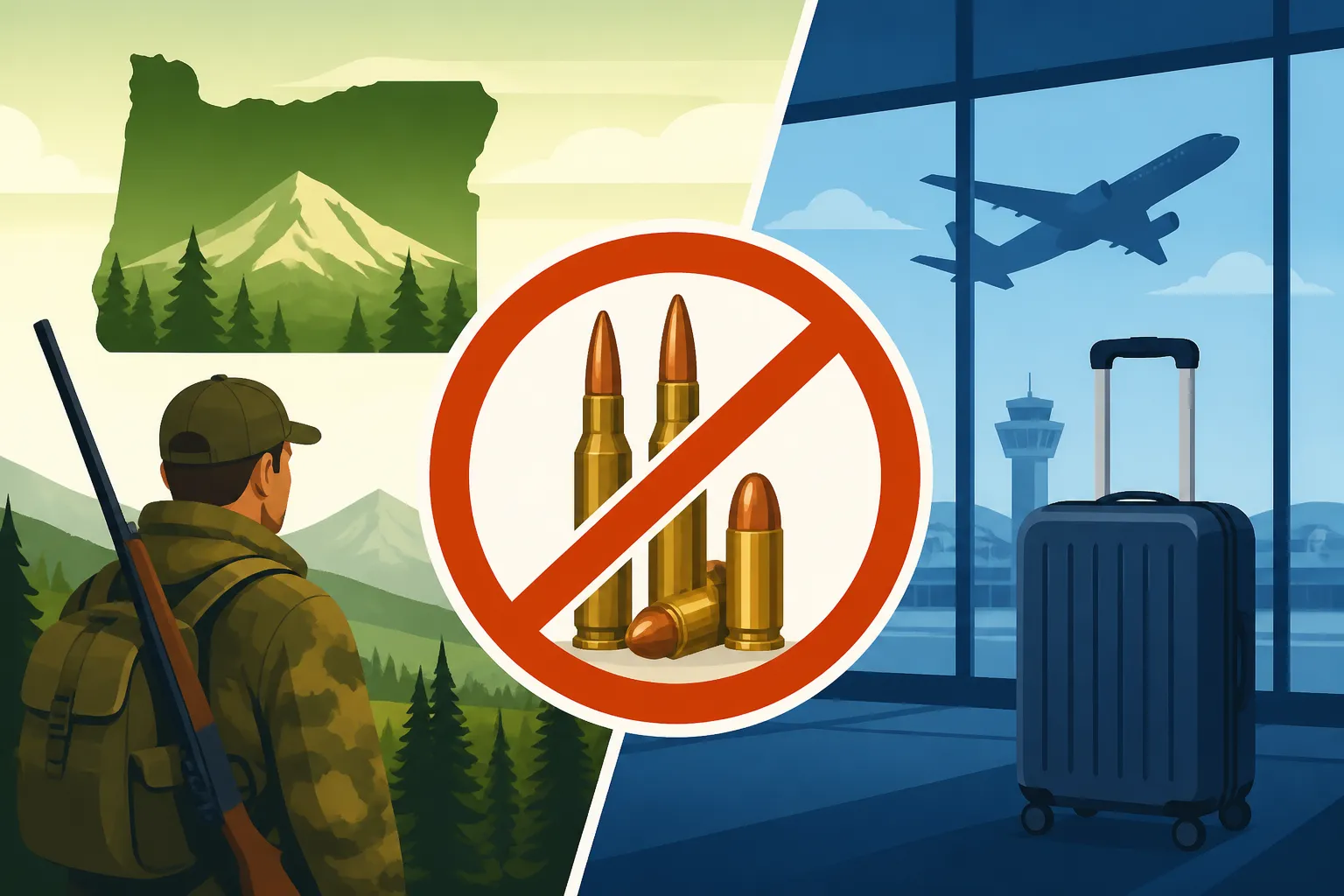
The excitement of an Oregon hunting adventure is undeniable, but it's often shadowed by the nagging worry of travel restrictions, especially when it comes to firearms and ammunition. Many hunters experience that moment of dread at the airport counter or when crossing state lines, wondering if they've overlooked a crucial regulation that could derail their entire trip. This guide is here to untangle the complexities, offering clear, actionable advice on how to safely and legally transport your hunting firearms and ammunition, whether you're flying across the country or just driving to a different part of our beautiful state.
Federal Air Travel Regulations for Firearms and Ammunition
Flying with firearms and ammunition can feel like navigating a minefield of confusing rules, but with a bit of preparation, it's perfectly manageable. The Transportation Security Administration (TSA) has a clear set of guidelines that all travelers must adhere to, regardless of your destination. The key is to remember that these rules are in place for safety and security, and strict compliance is non-negotiable.
Checked Baggage Requirements for Firearms
First and foremost, firearms are absolutely forbidden in carry-on luggage. They must always be transported in checked baggage. This isn't just a suggestion; it's a hard and fast rule. Your firearm needs to be unloaded and packed in a hard-sided container. Think sturdy, rigid cases made of thick plastic or metal – not soft-sided rifle bags. This case must be fully enclosed and locked. The lock you use should be one that only you have the key or combination for. While TSA-approved locks are great for regular luggage, when it comes to firearms, use your own personal lock. This prevents anyone else, including TSA agents, from opening the case without your presence.
When you get to the airport, you'll declare your firearm to the airline agent at the check-in counter. They'll likely ask you to sign a declaration form stating the firearm is unloaded. This declaration must be placed inside the locked case, or sometimes attached to the outside, depending on the airline's specific procedure. Don't try to be discreet about it; transparency is your best friend here. Some airlines might have additional paperwork or specific ways they want the declaration handled, so it's always a good idea to check with your specific carrier before you even leave for the airport. Knowing their exact policy can save you a lot of stress and time at the check-in counter.
Ammunition Specifics for Air Travel
Ammunition often causes more confusion than the firearm itself. While it must travel in checked baggage, it also has its own set of rules. You can't just toss loose rounds into your duffel bag. Ammunition needs to be securely packed in fiberboard, wood, metal, or other containers specifically designed for carrying small arms ammunition. Many hunters simply use the original manufacturer's box, which is usually perfect for this. These boxes then need to be placed within your checked luggage or even inside the hard-sided firearm case, provided there’s no loose ammunition floating around. The key is stability – you don't want rounds rattling around or spilling out.
There are also quantity limits. Most airlines follow the TSA guideline of ammunition not exceeding 11 pounds (5 kg) gross weight. This isn't a hard number for every airline, so again, checking with your carrier is vital. For example, some might allow slightly more, while others might stick rigidly to the 11-pound rule per passenger. Primers and black powder are generally prohibited in checked baggage, so if you're a muzzleloader hunter, you'll need to source these items at your destination. Muzzleloader Loads and Wet-Weather Ignition covers important considerations for these unique firearms.
Prohibited Items and Common Mistakes
Beyond the core rules, there are some definite no-nos. As mentioned, black powder and percussion caps are typically banned from air travel due to their volatile nature. This is a common pitfall for muzzleloader enthusiasts. Make sure to purchase these components locally once you arrive in Oregon or at your destination. Another common mistake is having a loaded magazine attached to the firearm, or even loose loaded magazines in the case. While the firearm itself must be unloaded, it's best practice to keep magazines empty or separate to avoid any ambiguity.
Don't forget to remove any scopes or accessories that could be easily damaged in transit and place them in your carry-on or a separate, well-padded checked bag. While not explicitly prohibited, ensuring the safety of your optics means they arrive in working order, which is pretty critical for your hunt. Remember that all federal rules apply universally, so whether you're flying from the East Coast or just from Medford up to Portland, these regulations remain constant.
Navigating State-Specific and Interstate Road Travel Rules
Hitting the open road with your hunting rig packed is a classic American experience, but it requires a keen understanding of various state laws. When driving to or through Oregon for your hunt, you're not just dealing with federal laws, but also the regulations of every state you traverse. This patchwork of rules is often where hunters get into trouble.
Oregon's Stance on Transport
Within Oregon's borders, the general rule of thumb for transporting firearms in a vehicle for hunting purposes is that they should be unloaded. For rifles and shotguns, this means no round in the chamber and no magazine attached, or if it is attached, the magazine must be empty. Handguns are a bit different, as Oregon has both open and concealed carry laws. However, for hunting purposes, it's always safest to transport all firearms unloaded and secured, ideally in a case, when not actively being used in the field. This prevents any confusion with law enforcement, especially if you get pulled over.
Oregon also has specific rules about how close to an open road you can discharge a firearm. These rules, often found in travel management areas or near designated campgrounds, can also indirectly affect how you transport and handle your firearm in proximity to your vehicle. Always consult the current Oregon hunting regulations pamphlet for the most up-to-date details, as these can sometimes change. Reading a Travel Management Area Map Before You Drive is an excellent resource for understanding specific local restrictions that might impact your hunt.
Interstate Travel Concerns: The "Trap" States
This is arguably the most critical section for anyone driving a significant distance to hunt in Oregon. The Firearm Owners Protection Act (FOPA) of 1986 provides some protection for individuals transporting firearms through states where they might otherwise be illegal. Under FOPA, if you are transporting a firearm from a place where you may legally possess and carry it to any other place where you may legally possess and carry it, you are protected while passing through any intermediate state, regardless of that state's laws.
However, there's a huge catch: the firearm must be unloaded and stored in a locked container that is not readily accessible from the passenger compartment. Ammunition should be stored separately, also not readily accessible. The problem is, many states interpret "not readily accessible" differently, and some have very strict local ordinances. If you stop overnight, get diverted from your direct route, or even just pull over for gas, some states might argue you've deviated from the "continuous journey" protection of FOPA. It's truly a legal gray area.
Before you set out, meticulously research the firearm and ammunition transport laws for every single state you will be driving through. Don't rely on assumptions. Websites dedicated to firearm laws often have state-by-state guides. Using a planning tool like GoHunt can sometimes offer insights into unit-specific regulations or broader state requirements, which can be useful when piecing together your travel plan. If you're crossing through states known for very restrictive firearm laws (e.g., California, New York, New Jersey), consider routing around them entirely, even if it adds hours to your drive. It's better to add mileage than risk a felony charge.
Local Ordinances and Restricted Areas
Even once you're safely within Oregon, your travel isn't entirely free from localized restrictions. Certain cities, counties, or specific wildlife management areas may have their own rules regarding the discharge, possession, or transport of firearms. For example, some ODFW wildlife areas require firearms to be cased and unloaded at all times unless actively hunting in designated areas. Oregon Wildlife Area Hunting Permits or specific area regulations often outline these details.
Before heading into a particular hunting unit or public land parcel, always check for any specific restrictions. This might involve looking at local county ordinances or detailed maps for specific zones. Maps found on platforms like GoHunt can often be layered with public land boundaries and sometimes even specific restrictions if detailed enough. A quick call to the local sheriff's office or the ODFW district office for your hunting unit can also provide invaluable, up-to-the-minute information. Remember, ignorance of the law is never a valid defense.
Practical Considerations for a Smooth Hunting Trip
Beyond the legalities, there are smart, practical steps you can take to make transporting your hunting gear as seamless and stress-free as possible. These tips can help prevent headaches and ensure your equipment arrives ready for action.
Packing Your Gear Smartly
How you pack can make a world of difference. For air travel, invest in a high-quality, hard-sided case specifically designed for firearms. These cases often come with custom foam inserts that can be cut to fit your rifle or shotgun perfectly, preventing movement and damage. Ensure the case can be locked with non-TSA locks, as discussed earlier. For ammunition, keep it in its original factory packaging or a purpose-built ammo container. Never, ever, put loose rounds in your luggage. Consider separating your ammunition into a different checked bag than your firearm, declared separately, if your airline allows it.
For road travel, a sturdy case is still advisable to protect your investment from bumps and jostles, even if not legally required in all situations. Keep your firearms unloaded and out of sight, ideally in your trunk or a secure storage box in the bed of your truck. Ammunition should also be kept separate from the firearm, perhaps in a locked toolbox or container. This is not just about legality, but about theft prevention. A visible firearm in your vehicle is an invitation for opportunistic thieves.
| Travel Method | Firearm Status | Ammunition Status | Key Considerations |
|---|---|---|---|
| Air Travel | Unloaded, in a locked, hard-sided case. Declared at check-in. | In original packaging or secure container. Max 11 lbs (5 kg). No loose rounds. | Declare firearm to airline agent. Use non-TSA locks on firearm case. Check airline's specific policy. No primers or black powder. |
| Road Travel (Interstate) | Unloaded, in a locked container, not readily accessible from passenger compartment. | Separate from firearm, securely stored. | Research ALL state laws on your route. Understand FOPA limitations. Consider routing around restrictive states. |
| Road Travel (Within Oregon) | Unloaded, ideally cased and out of sight, especially when not actively hunting. | Securely stored, separate from firearm. | Check local ordinances (cities, counties, wildlife areas). Avoid handling or displaying firearms in public areas unless legally justified. |
Documentation and Preparation
Preparation is paramount. Before any trip, especially one involving crossing state lines, consolidate all your necessary documents. This includes your Oregon hunting license and tags (e.g., Oregon Buck Deer General Season Dates, Oregon Roosevelt Elk Rifle Seasons in November), your hunter education card if required (Oregon Hunter Education Requirements), and any firearm registration or purchase permits required by your home state. While Oregon generally doesn't require firearm registration, having your home state's documentation can be helpful if questions arise.
Print out a copy of the TSA's firearm policy and your airline's specific firearm policy to have on hand. It's rare, but sometimes airline personnel might be unfamiliar with their own rules, and having the printed policy can smooth things over. When you're driving, a mapping tool like GoHunt can help you plan your route to avoid particularly restrictive jurisdictions and provide information on public land access and boundaries in Oregon. For those considering a guided experience, an outfitter found through a platform like BookYourHunt can be a fantastic resource, as they are often very knowledgeable about current regulations and can provide pre-trip briefings that include these details.
Non-Resident Specifics
Non-resident hunters often face additional scrutiny or simply have more to consider when traveling. Beyond the general federal and state regulations, you might have specific license requirements (covered in Oregon Nonresident Tag Cost for Deer and Elk), or even different reporting obligations. While not directly related to ammunition and travel restrictions, understanding all facets of non-resident hunting in Oregon ensures a smoother overall experience.
Remember that while Oregon is generally welcoming to hunters, the laws of your home state and any states you pass through still apply. If you're coming from a state with very strict firearm laws, ensure you're not inadvertently violating them by bringing a firearm back into that state after your hunt that might have different classifications or requirements. Always return the way you came in terms of legal compliance. If you're using a service like BookYourHunt to find an outfitter, don't hesitate to ask them about their experience with non-resident hunters and any advice they have on legal transport from various parts of the country. They can often provide invaluable tips gleaned from years of assisting hunters just like you.
Disclaimer
This article is for general informational purposes only and does not constitute professional advice. Laws, prices and regulations vary by location and change over time. Consult a qualified professional for guidance on your specific situation.