Oregon State Forest Gate Closures
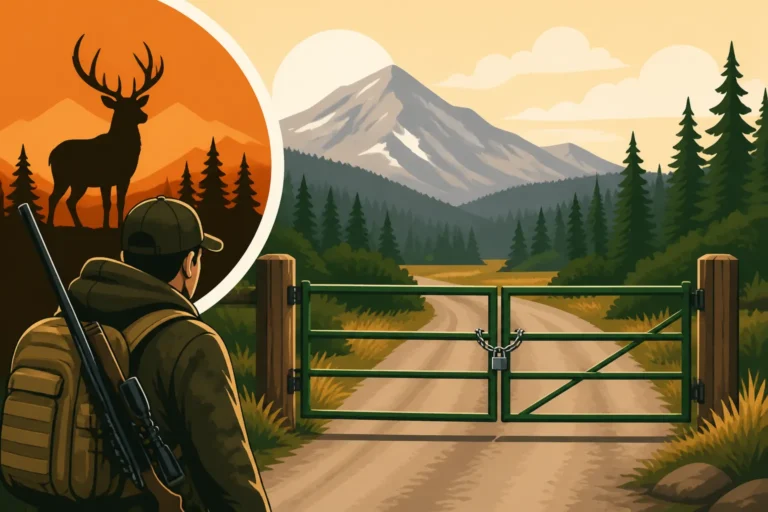
There are few things more frustrating for an Oregon hunter than meticulously scouting a promising area, only to arrive on opening morning and find the gate you planned to use is firmly locked. It’s a gut-wrenching feeling that can derail an entire trip, leaving you scrambling for alternate access or completely changing your hunting plans. This guide is here to help you understand why these gates close, how you can stay informed, and the best strategies for adapting your hunt to still find success in Oregon's beautiful state forests.
Understanding Why State Forest Gates Close
Oregon’s state forests, managed by the Oregon Department of Forestry (ODF), are not just recreational areas; they are working forests. This means they are actively managed for timber harvest, reforestation, and multiple other uses, alongside providing invaluable habitat and recreational opportunities. Because of this multi-use mandate, gate closures are a regular, often necessary, part of their operation.
Timber Operations and Safety
The most common reason you'll encounter a locked gate is active timber operations. Imagine driving into an area where a logging crew is felling massive Douglas firs, or heavy machinery like feller bunchers and log loaders are moving across the landscape. This is an incredibly dangerous environment, and for your safety, public access must be restricted.
These closures aren't arbitrary. The ODF prioritizes public safety above all else. A single falling tree, a rogue log rolling down a slope, or an unexpected encounter with heavy equipment can have catastrophic consequences. When you see a gate locked and signage indicating active operations, it’s a clear message: stay out for your own well-being. It can be disheartening to find that perfect clearcut you spotted during your Public Land Scouting in Oregon Before the Draw Results trip is now off-limits, but it’s a temporary measure to ensure no one gets hurt. These closures can last weeks or even months, depending on the scale and duration of the timber harvest.
Road Maintenance and Resource Protection
Another frequent culprit for gate closures is road maintenance or environmental protection. After a long, wet Oregon winter, many forest roads can be in rough shape. Heavy rains and thawing snow can turn a once-passable gravel road into a muddy quagmire, prone to deep ruts and erosion. The ODF will often close these roads to allow them to dry out, to perform grading and graveling, or to prevent users from causing further damage that could lead to costly repairs and environmental impact on stream crossings or sensitive soils.
Sometimes, closures are put in place to protect natural resources. This might involve preventing vehicle traffic in areas recovering from fire, or protecting particularly fragile riparian zones. During periods of high fire danger, especially in the late summer and early fall, gates may be closed to limit access and reduce the risk of human-caused wildfires. This is a vital preventative measure, particularly in dry years, and it can significantly impact hunting plans, requiring you to Checking Oregon Fire Closures Before the Season before heading out. The damage from a single wildfire can devastate habitat for decades, so these precautions are serious business.
Wildlife Management and Habitat Protection
Less common, but equally important, are gate closures implemented for specific wildlife management goals. These closures are typically seasonal and are designed to protect critical habitat or reduce disturbance to sensitive wildlife, especially during vulnerable times of the year.
For example, winter range closures are a prime example. Many of Oregon's big game animals, especially mule deer and elk, migrate to lower elevations during the colder months to find forage and escape deep snow. Vehicle traffic and human disturbance during this critical period can stress animals, forcing them to expend precious energy reserves when food is scarce. By closing gates to these wintering grounds, the ODF helps ensure deer and elk have the best chance to survive until spring. Similar closures might occur around important calving or fawning grounds in the spring, or to protect nesting sites for certain bird species. Understanding these closures is part of understanding the broader Oregon State Forest Hunting Rules that govern public lands. These efforts contribute to the overall health and sustainability of the wildlife populations we all value.
| Type of Closure | Primary Reason | Typical Timing | Hunter Action Needed |
|---|---|---|---|
| Timber Operations | Public safety from logging & heavy equipment | Variable, often seasonal | Check ODF websites, call district office, be prepared for walk-in only or alternate areas. |
| Road Maintenance | Prevent erosion, repair damage | Post-winter thaw, heavy rain | Expect closures, focus on walk-in access or areas with well-maintained main roads. |
| Fire Danger | Reduce wildfire risk, protect resources | Late summer, early fall (dry) | Monitor fire danger levels, have alternative plans for low-risk zones or different areas. |
| Wildlife Habitat/Winter | Protect vulnerable animals from disturbance | Late fall through early spring | Respect boundaries, understand these are critical for herd health, plan for different units or seasons. |
Navigating Oregon State Forest Gate Information
The key to avoiding that frustrating moment at a locked gate is proactive research. While it’s impossible to predict every spontaneous closure, there are excellent resources available to help you plan your hunt effectively.
Official Sources for Gate Closure Information
Your first and most reliable stop should always be the Oregon Department of Forestry's official website. Each ODF district office typically has a section dedicated to recreation and access, where they will post notices about gate closures, active timber sales, and fire restrictions for the state forests under their management. These websites often include maps or detailed descriptions of affected areas. Don't underestimate the power of a phone call, either. Reaching out directly to the ODF district office responsible for the specific state forest you plan to hunt can provide you with the most up-to-the-minute information.
It’s important to manage expectations, though. While ODF strives to keep information current, these aren't always real-time updates. A gate might be closed unexpectedly due to an equipment breakdown or a sudden change in logging schedule, and it can take some time for that information to be posted online or disseminated. That's why cross-referencing and being prepared for contingencies is so crucial. Think of it as putting together a puzzle; each piece of information helps you build a clearer picture of access.
Utilizing Digital Mapping Tools
In today's hunting world, digital mapping applications have become indispensable, and they can be a huge asset in understanding access, including gate closures. Platforms like onX Hunt often integrate public land boundaries, private timberland, and even show roads that are seasonally or permanently closed. While onX Hunt might not have real-time gate status for every single state forest gate, it excels at helping you visualize the lay of the land, identify alternative routes, and understand the bigger picture of where you can and cannot drive.
By layering public and private land ownership, along with road networks, you can often infer potential access issues. For instance, if you see a road designated as "private" leading into a state forest, it's a good bet it's gated or requires specific permission. Similarly, many closed Forest Service roads that border state lands are clearly marked. Use these tools not just for finding a specific road, but for E-Scouting Oregon Units With Satellite Imagery to identify every possible entry point and plan your hike from a safe parking spot. Remember, these apps are powerful, but always cross-reference their data with official ODF sources when possible, especially for critical access points.
On-the-Ground Reconnaissance and Local Knowledge
Nothing beats boots on the ground when it comes to understanding access. If you're serious about hunting a particular state forest, a pre-season scouting trip is invaluable. Physically driving or walking potential access roads allows you to see current gate conditions, signage, and get a feel for how far you'll need to walk if a gate is indeed closed. This also allows you to find new, unexpected access points that might not be obvious on a map.
Beyond your own scouting, don't underestimate the value of local knowledge. Chatting with other hunters at trailheads, stopping at small-town diners, or even striking up a conversation with an ODF employee you encounter in the field can yield priceless information about local conditions and gate statuses. These folks often have a finger on the pulse of what's happening on the ground, and their insights can save you a lot of grief. Even if you've done all your homework, remember that conditions can change rapidly. A timber sale could start up with short notice, or a sudden downpour could close roads for maintenance. Remaining flexible and having a backup plan is always your best bet.
Strategies for Hunting Around Gate Closures
Encountering a locked gate doesn't have to mean the end of your hunt. In fact, for many seasoned hunters, a closure simply presents an opportunity to access areas that see less pressure. With the right mindset and preparation, you can turn a setback into an advantage.
Embracing Walk-In Hunting
When a gate is closed, it simply means you can't drive in. It often doesn't mean you can't walk in. Embracing walk-in hunting is perhaps the most effective strategy for overcoming gate closures. Think of it as unlocking vast tracts of land that many other hunters will simply bypass because they aren't willing to put in the foot miles. This can lead to incredible experiences in quieter woods, often with less competition.
However, walk-in hunting requires careful planning. You’ll need to adjust your gear for longer hikes, ensuring you have comfortable, supportive boots – especially if you're tackling Oregon's wet, steep coastal country. Boots for Wet Coastal Hunting are essential. A good pack frame becomes critical, not just for carrying your gear in, but for hauling out meat if you're successful. You’ll also need to be in better physical condition. Consider Physical Training for an Oregon Elk Hunt to prepare for those extra miles with a heavy pack. Always inform someone of your detailed plans, including your route and expected return time, especially when venturing deep into remote, walk-in only areas.
Planning Alternate Access Points and Units
Never put all your eggs in one basket. When planning an Oregon hunt, always identify multiple potential access points for your chosen unit. If your primary gate is closed, having two or three other options mapped out can save your hunt. This might mean driving an extra 30-45 minutes to a different side of the unit, or even considering a completely different unit altogether if access becomes a major roadblock.
Digital mapping tools, like those offered by onX Hunt, are excellent for this. You can easily scout out Reading Green Roads on an Oregon Travel Management Map or other public access points that might be less affected by state forest specific closures. Broaden your scope and consider adjacent public lands such as Bureau of Land Management (BLM) property, which often has different access regulations. Oregon BLM Land Open to Hunting can provide excellent opportunities that might not be subject to the same types of closures as state forests. Sometimes, you might even consider options like Hunting Clearcuts on Private Timber Land if you have a permit, or even exploring Asking Permission on Oregon By-Permission Land as a last resort. The more versatile you are with your planning, the less likely a single closed gate will derail your entire season.
Timing Your Hunt with Known Closure Patterns
Understanding the typical patterns of gate closures can help you strategically time your hunts. For instance, if you know a particular area is historically subject to winter range closures, you might plan your hunt earlier in the fall before those restrictions kick in. Similarly, if active timber sales are known to occur in certain blocks during specific times of the year, you can either avoid those areas during those windows or plan for them to be walk-in only.
Fire season, usually late summer into early fall, is another critical period. Some years, vast areas are closed due to extreme fire danger, impacting many hunting opportunities. Being aware of these seasonal patterns, and monitoring the ODF's alerts as your hunt approaches, allows you to make informed decisions. Sometimes, adapting means choosing a different season or a different elevation to hunt. For example, knowing that lower elevation timber might be logged earlier in the season, you might focus your efforts on higher, more remote areas that are less likely to be impacted by active operations. Staying informed about these patterns gives you a significant advantage in planning a successful and stress-free Oregon hunting adventure. Ultimately, becoming a successful hunter in Oregon often means becoming a master of adaptation and information gathering.
Disclaimer
This article is for general informational purposes only and does not constitute professional advice. Laws, prices and regulations vary by location and change over time. Consult a qualified professional for guidance on your specific situation.