Shed Hunting Rules on Oregon Winter Range
The crisp air of a late winter day in Oregon can be incredibly inviting, especially for those of us eager to stretch our legs and get back into the woods. There's a certain magic to discovering a shed antler, a tangible piece of nature's cycle, but the thrill of the find can sometimes overshadow the crucial rules designed to protect our magnificent big game. This guide will walk you through the often-misunderstood regulations around shed hunting on Oregon's winter ranges, helping you avoid legal trouble and, more importantly, ensuring you don't inadvertently harm the very animals we all appreciate.
The Critical Importance of Oregon's Winter Range Closures
It's easy to look at a snow-dusted hillside in February and think it's just a beautiful landscape, ripe for exploration. However, for Oregon's deer and elk, those quiet, often lower-elevation areas are their last refuge during the harshest months of the year. Understanding why these rules exist is the first step toward becoming a truly responsible shed hunter. It's not just about stopping people from picking up bone; it's about protecting life itself.
The Harsh Reality of Winter for Oregon's Big Game
Imagine trying to survive for months on end with limited food, facing freezing temperatures, deep snow, and constant threats, all while your body is trying to heal from the rut and grow new bone. That's the reality for a bull elk or a buck deer on their winter range. They've often migrated from higher elevations, burning through precious fat reserves to simply stay alive. Every extra step, every sudden sprint, every moment of fear-induced stress drains energy they simply cannot afford to lose. It's a delicate balance of survival, where even minor disturbances can tip the scales.
When you're out there, picture a young deer, perhaps a fawn from the previous spring, trying to scrape by on sparse browse. If it's repeatedly spooked by shed hunters, forced to run through heavy snow, it expends critical calories. These calories are vital for warmth and basic bodily functions. Losing them can mean the difference between making it to spring green-up or succumbing to starvation or predation. This cumulative stress is exactly what ODFW aims to minimize with winter range restrictions. You can learn more about how deer survive by understanding topics like Mule Deer Winter Range in Eastern Oregon.
What Designates a "Winter Range" and Why It Matters
"Winter range" isn't just a vague term; it refers to specific, designated habitats that big game animals absolutely rely on for survival during winter. These are typically areas with less snow, more accessible forage, and often south-facing slopes that catch more sun. They're critical migration corridors and low-stress environments. State agencies, using scientific data, studies on Elk Calf Survival and Predation in Oregon, and years of observation, identify these areas because they are vital for herd health and population sustainability.
These aren't arbitrary closures. They are based on decades of wildlife biology and management principles. When you see a sign indicating a winter range closure, it's a direct plea from wildlife managers to give these animals the space they need. Ignoring these signs isn't just breaking a rule; it's actively contributing to the challenges these animals already face, potentially impacting populations for years to come. Recognizing these critical habitats helps ensure that species like the Oregon Mule Deer and the Herd Range Decline have a fighting chance.
Navigating Oregon's Shed Hunting Regulations
Understanding the "why" is important, but knowing the "what" and "where" of Oregon's shed hunting regulations is absolutely crucial for staying on the right side of the law. The rules are in place to protect wildlife, and ignorance is rarely an acceptable excuse when it comes to wildlife infractions.
Key Dates, Openings, and Specific Area Restrictions
Oregon takes a proactive approach to protecting its big game during the most vulnerable time of year. Generally, shed hunting, or the collection of shed antlers, is prohibited on state-managed wildlife areas and many federal lands (like specific BLM and National Forest areas) from January 1st through April 14th annually. The specific dates can vary by area and year, so it's always critical to check the latest regulations. This means that if you're out hiking on April 1st and stumble upon a fresh shed in a restricted area, you cannot legally pick it up until April 15th. It's tough, I know, but those rules are there for a reason.
Beyond these broad seasonal closures, some areas may have year-round restrictions or specific "no motorized vehicle" rules that impact how you access potential shed grounds. For example, certain areas known for critical Winter Elk Feeding Sites in Oregon might have extended closures or special conditions. Always check the official Oregon Department of Fish and Wildlife (ODFW) regulations for the most up-to-date information regarding specific units or wildlife areas. These details are often listed in the annual Big Game Regulations pamphlet or on the ODFW website, sometimes under specific land management plans for Oregon Wildlife Management Units and New Hunt Areas.
Legal vs. Illegal Methods and Gear for Shed Hunters
When it comes to the how of shed hunting, Oregon also has specific stipulations to prevent undue stress on animals. While generally less restrictive than hunting regulations, there are still important guidelines:
| Activity/Method | Legal Status in Oregon (Generally) | Notes |
|---|---|---|
| Foot Travel | Generally Allowed (unless posted as closed) | The most common and accepted method. Stay on established trails or roads where permissible, especially in sensitive areas. |
| Motorized Vehicles | Generally Restricted in Closed Areas/Seasons | Highly restricted. Driving off-road for shed collection is almost universally illegal. Even on open roads, ensure you are not entering a Oregon Roads Closed to Protect Wintering Deer. |
| Horses/Pack Stock | Generally Allowed (unless posted as closed or requiring special permit) | Allowed in many areas, but check for specific wilderness or sensitive area restrictions. Ensure stock are fed certified weed-free feed where required to prevent invasive species spread. |
| Drones/Aircraft | Prohibited for locating/spotting sheds with intent to collect | Using drones to find sheds would be considered harassment and is illegal. |
| Dogs (on leash) | Allowed in most areas (unless otherwise posted), but must be under control | Dogs can be a great asset, but they must be on a leash and kept from harassing wildlife. Letting a dog run loose to find sheds is a major violation and can stress wintering animals. Many winter ranges prohibit dogs entirely or only allow them on specific trails. |
| Dogs (off leash) | Generally Prohibited in winter range areas and always if not under immediate voice control | A loose dog, even if not intentionally chasing, can easily spook big game. This is a primary reason for dog restrictions on winter range. Wildlife harassment laws apply. |
| Collecting "Picked-Up" Skulls with Antlers Attached | Generally Illegal without a hunting tag | If a deer or elk dies with its antlers still attached, it is considered part of the animal. Collecting these typically requires a valid hunting tag for that species and season, or a special permit if found after the season. This is not shed hunting. Report any illegal activity to ODFW. |
| Collecting Roadkill Antlers | Prohibited unless part of the animal (which requires a tag) | If the antler is still attached to the skull of a roadkill animal, it falls under the "picked-up" rule. If it's a completely detached shed found near a road, it might be permissible outside of closures. |
| Fences/Gates | Always close gates and do not damage fences. Do not trespass on private land to retrieve a shed. | Respect private property and infrastructure. |
The most common pitfalls involve motorized vehicle use in closed areas and dogs off-leash. While your dog might be "well-behaved" in your eyes, any dog running free near vulnerable big game can cause significant stress. Always err on the side of caution: if you're unsure about dog rules in a specific area, assume they need to be leashed or left at home.
Essential Tools and Ethical Considerations for Responsible Shed Hunting
Responsible shed hunting goes beyond just following the letter of the law. It involves being prepared, using the right resources, and adopting an ethical mindset that prioritizes the welfare of the animals.
Leveraging Technology and Official Resources
In today's world, there's no excuse for not knowing where you stand. The Oregon Department of Fish and Wildlife (ODFW) website is your first and most authoritative source for current regulations, including maps of winter range closures. They often have interactive maps or PDFs available that clearly delineate restricted areas. Always download or print these maps before heading out, as cell service can be spotty in many prime shed hunting areas.
Beyond ODFW, various mapping applications can be invaluable. Tools like GoHunt (and others that offer public/private land ownership layers and seasonal closures) allow you to overlay different data points directly onto satellite imagery. This means you can see exactly where public land ends and private land begins, which roads are open or closed, and crucially, where those critical winter range boundaries lie. These apps, often used for E-Scouting Oregon Units With Satellite Imagery, are a game-changer for detailed trip planning. They let you mark potential shed areas while simultaneously ensuring you're respecting all closures and property lines. You can also reference resources like Reading an Oregon Hunting Map Online to better understand how these tools translate to real-world navigation.
Beyond the Rules: Cultivating a Responsible Shed Hunting Ethic
Even if an area is technically open, consider the timing and conditions. If there's a late-season snowstorm, or if you observe animals struggling, it's a good idea to back off and choose another time or place. True stewardship means putting the animals first, even if it means foregoing a potential find.
Here are some ethical guidelines to live by:
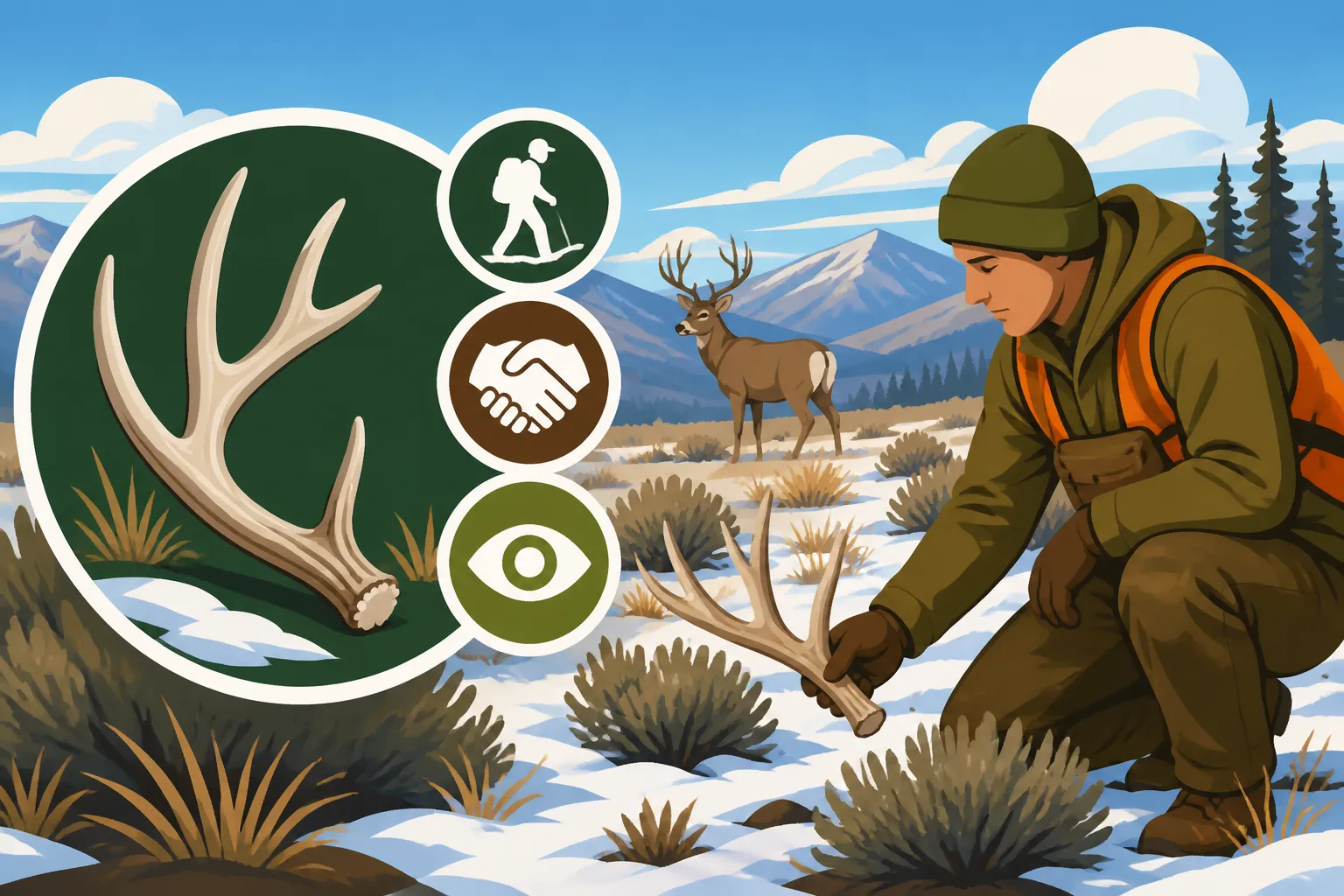
- Observe from a Distance: If you spot a deer or elk, give it ample space. Use your binoculars to check for sheds without approaching and spooking the animal. Remember, the goal is to find antlers that have already been shed, not to stress animals into dropping them.
- Leave No Trace: Pack out everything you pack in. Avoid disturbing vegetation or creating new trails. The landscape should look untouched after you've passed through.
- Respect Private Property: Always know whose land you are on. If a shed rolls onto private property, do not trespass. Seek permission from the landowner, and be prepared to be told no. Understanding Finding Property Lines on Oregon Public Land is paramount.
- Share the Knowledge: Educate other shed hunters, especially newcomers, on the importance of these rules and ethical practices. We all benefit from a well-informed and respectful community.
- Don't Over-Harvest: While not legally restricted in the same way, consider leaving some sheds for others or for the ecosystem. They provide vital calcium for other animals.
Understanding the Consequences of Non-Compliance
Breaking shed hunting rules might seem minor, but the consequences can be significant, both for you and for the future of access for all outdoor enthusiasts.
Penalties and Long-Term Impacts on Access
Ignoring winter range closures or harassing wildlife while shed hunting carries real penalties. These aren't just slaps on the wrist; you could face substantial fines, loss of hunting and fishing privileges for a period, and even confiscation of your vehicle or equipment. ODFW, the U.S. Forest Service, and BLM wardens actively patrol these areas during sensitive times. A shed antler found in a closed area can lead to an investigation and a citation. These penalties are designed to deter behavior that jeopardizes wildlife.
Beyond the individual repercussions, repeated violations by a few bad actors can have broader, negative impacts. When wildlife agencies see consistent rule-breaking and disturbance in critical habitats, it often leads to stricter regulations, larger closure areas, or even permanent bans on certain types of access. This hurts everyone who enjoys the outdoors responsibly. It's a sad truth that the actions of a few can limit opportunities for the many. This collective impact is why we all need to be diligent about following the rules, including those found in Oregon Winter Range Closures That Affect Late Hunts.
The Collective Responsibility of the Shed Hunting Community
Shed hunting, like traditional hunting, is a privilege, not a right. It's an activity that connects us with nature and offers a unique challenge. To preserve this privilege, every shed hunter shares a responsibility to be a steward of the land and its wildlife. This means not just complying with the law, but actively promoting ethical behavior within the community.
If you see someone violating rules, whether it's driving in a closed area, letting their dog chase deer, or trespassing, consider reporting it to ODFW or the relevant land management agency. It's not "snitching"; it's protecting a shared resource and ensuring the long-term health of Oregon's big game populations. We want future generations to have the same opportunities to explore and find those natural treasures. Staying informed by regularly Checking Oregon Road Closures Before You Go and understanding your role in maintaining respectful access is vital.
Disclaimer
This article is for general informational purposes only and does not constitute professional advice. Laws, prices and regulations vary by location and change over time. Consult a qualified professional for guidance on your specific situation.