Scoring a Blacktail Buck
Scoring blacktail deer antlers uses the Boone and Crockett system to measure main beams, typical points, and four circumference girths.
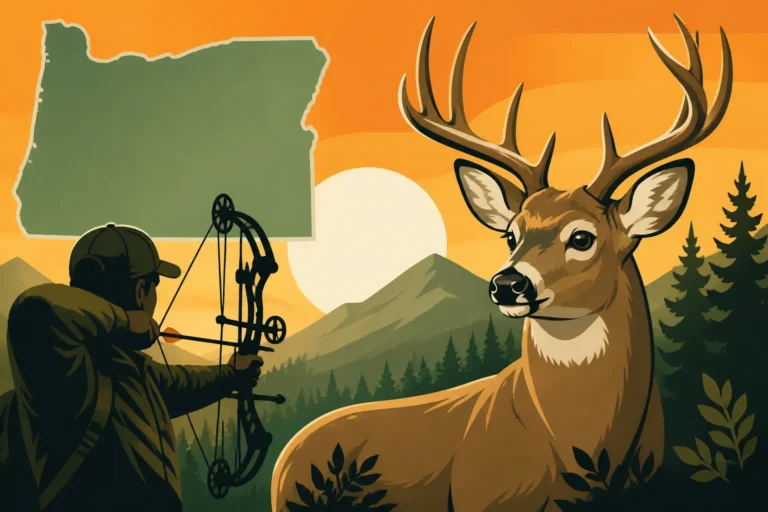
Scoring blacktail deer antlers uses the Boone and Crockett system to measure main beams, typical points, and four circumference girths.
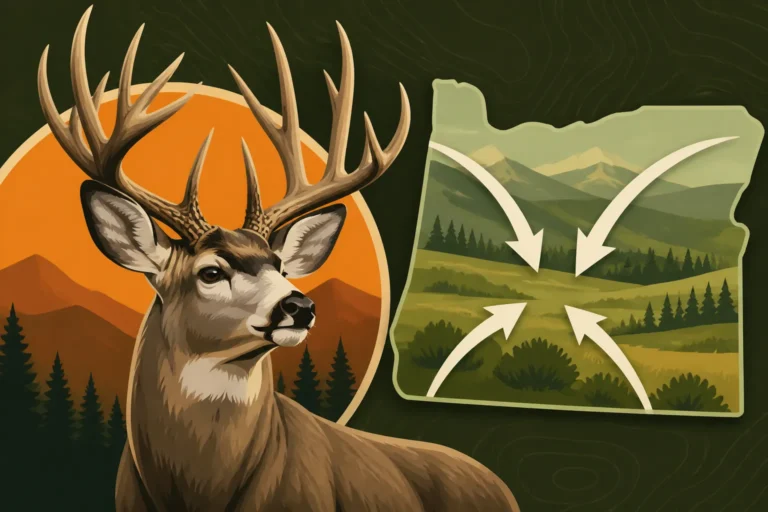
Oregon mule deer trophy potential depends on environmental factors, high desert nutrition, herd age structure, and fawn recruitment.
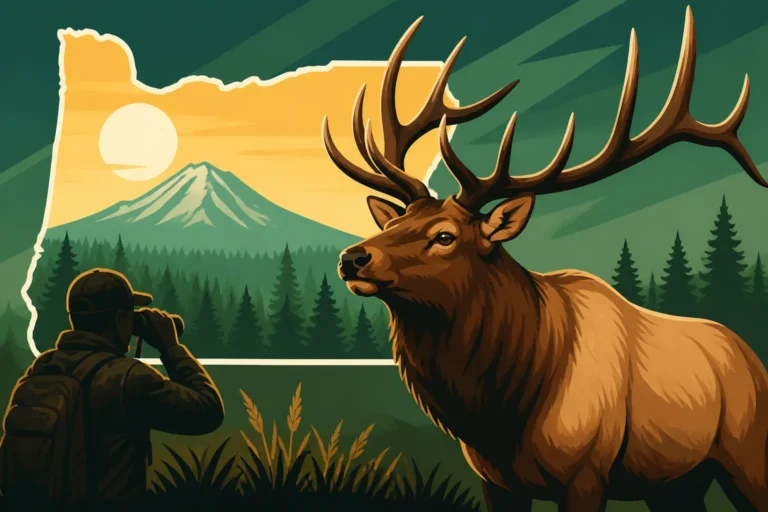
Oregon record book Roosevelt bulls require specific Boone and Crockett scores, optimal coastal habitats, and decades of elk hunting dedication.
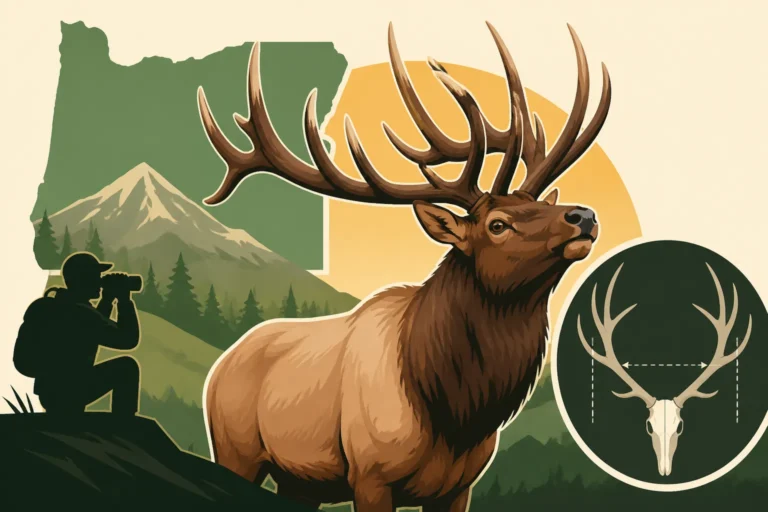
Boone and Crockett scoring minimums for Roosevelt elk define record book bulls through Theodore Roosevelt and fair chase standards.
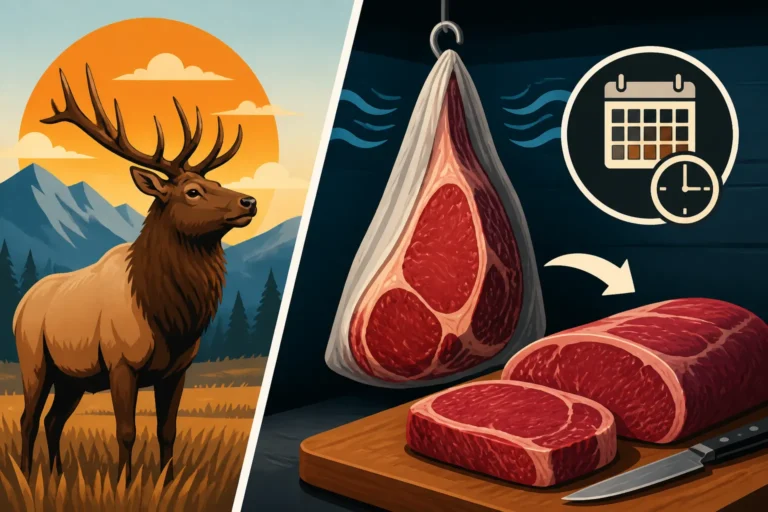
Aging elk meat between 34 and 40 degrees allows natural enzymes to break down connective tissues for tenderness and rich flavor.
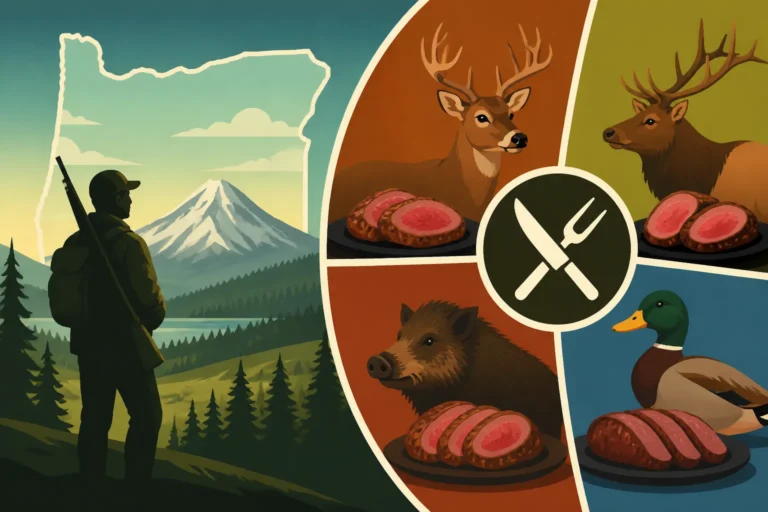
Game meat flavor depends on diet, age and habitat, from mild grass eaters to the gamey edge of sage and juniper browse, plus care after the harvest.
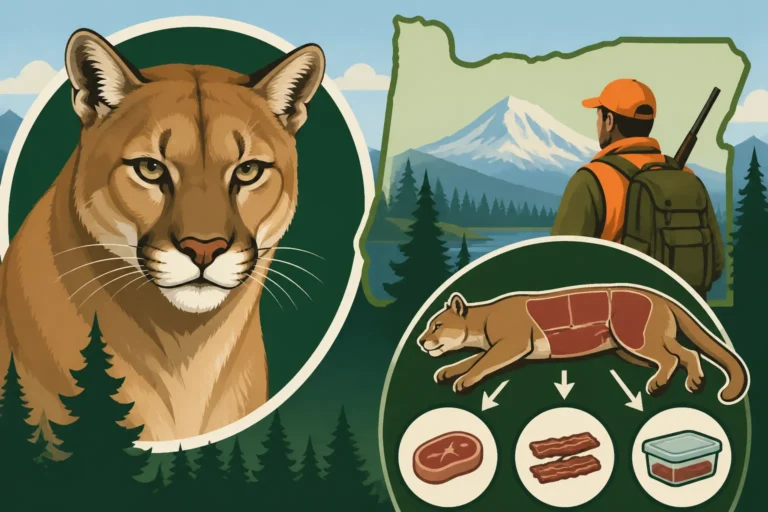
Oregon cougar hunting regulations require hunters to legally salvage all edible skeletal muscle tissue from harvested animals.
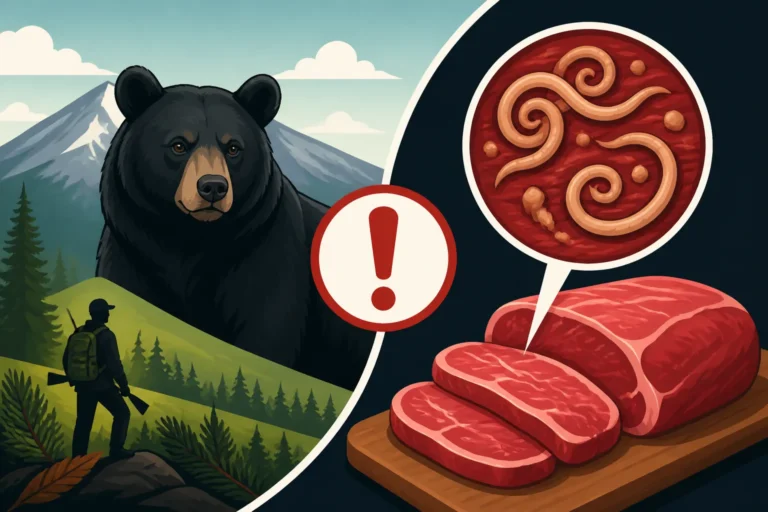
Trichinosis risks from wild bear meat in Oregon and cooking the harvest to one hundred sixty degrees to kill parasites.
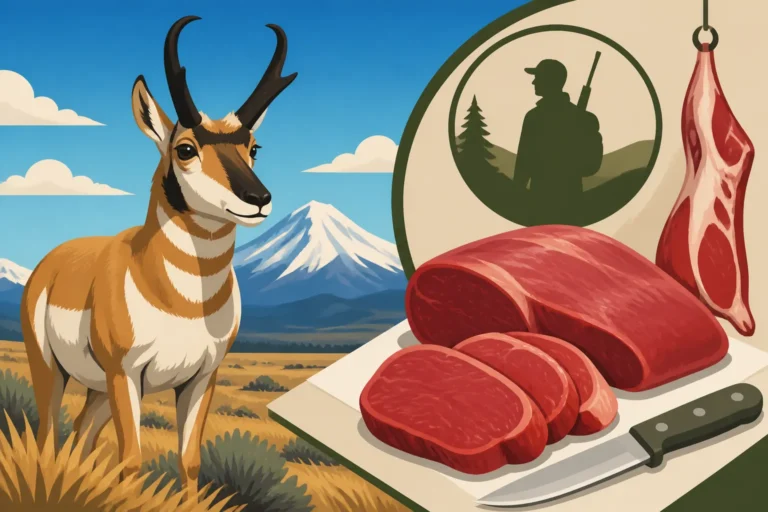
Proper field handling and rapid carcass cooling prevent gamey flavors in pronghorn meat harvested in warm Oregon weather.
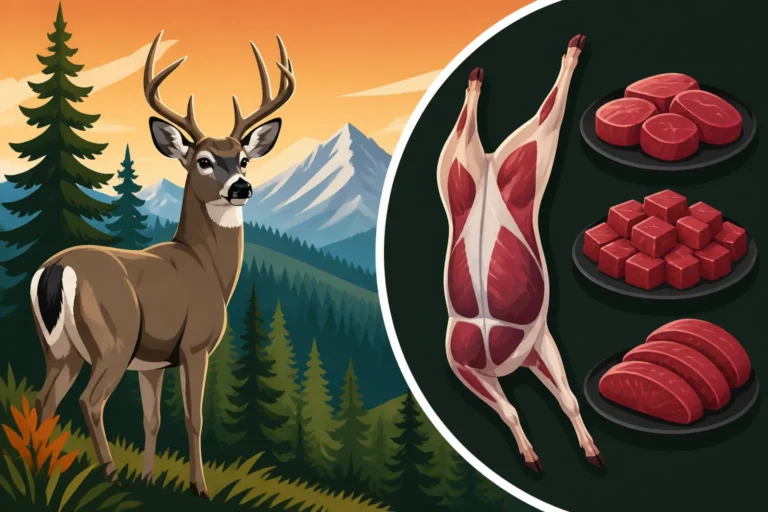
Columbian blacktail deer live weight averages between 80 and 200 pounds, and field dressing removes internal organs to cool the carcass.