Oregon Pronghorn Range and Numbers
The distinct, vast landscapes of Oregon's high desert often hide one of its most unique and challenging big game animals: the pronghorn. For many hunters, just understanding where these incredible creatures live and how their numbers are faring feels like trying to read tea leaves, especially with ever-changing habitat conditions and management efforts. This comprehensive guide aims to pull back the curtain on Oregon's pronghorn populations, delving into their range, numbers, and the critical factors that influence their survival, offering a clearer picture for anyone passionate about these speedsters of the sagebrush.
Understanding Oregon's Pronghorn Population Dynamics
Pronghorn, often mistakenly called antelope, are true marvels of evolution, perfectly adapted to the wide-open, arid landscapes of North America. In Oregon, their story is one of resilience and careful management, with populations fluctuating based on a complex interplay of environmental factors and human intervention. Understanding these dynamics is crucial for any hunter hoping to pursue them.
Historical Trends and Conservation Efforts
Oregon's pronghorn history isn't just a straight line of numbers going up or down; it's a dynamic narrative. Historically, pronghorn herds in Oregon faced significant declines in the late 19th and early 20th centuries, largely due to unregulated hunting, habitat loss from agricultural expansion, and severe winters. By the 1930s, their numbers were alarmingly low. It's a tale common to many North American big game species, and one that required dedicated conservation work to reverse.
The Oregon Department of Fish and Wildlife (ODFW) and various conservation groups have spearheaded significant efforts over the decades to bring pronghorn back from the brink. This has included translocations, moving animals from areas with healthy populations to suitable habitats where numbers were scarce or extirpated. Habitat improvement projects, focusing on restoring sagebrush ecosystems and ensuring water access, have also played a vital role. These initiatives, coupled with regulated hunting seasons designed for sustainable harvest, have allowed pronghorn to rebound in many areas. However, this rebound isn't without its challenges, and ongoing monitoring and management are paramount to ensure these gains aren't lost.
Current Pronghorn Numbers Across the State
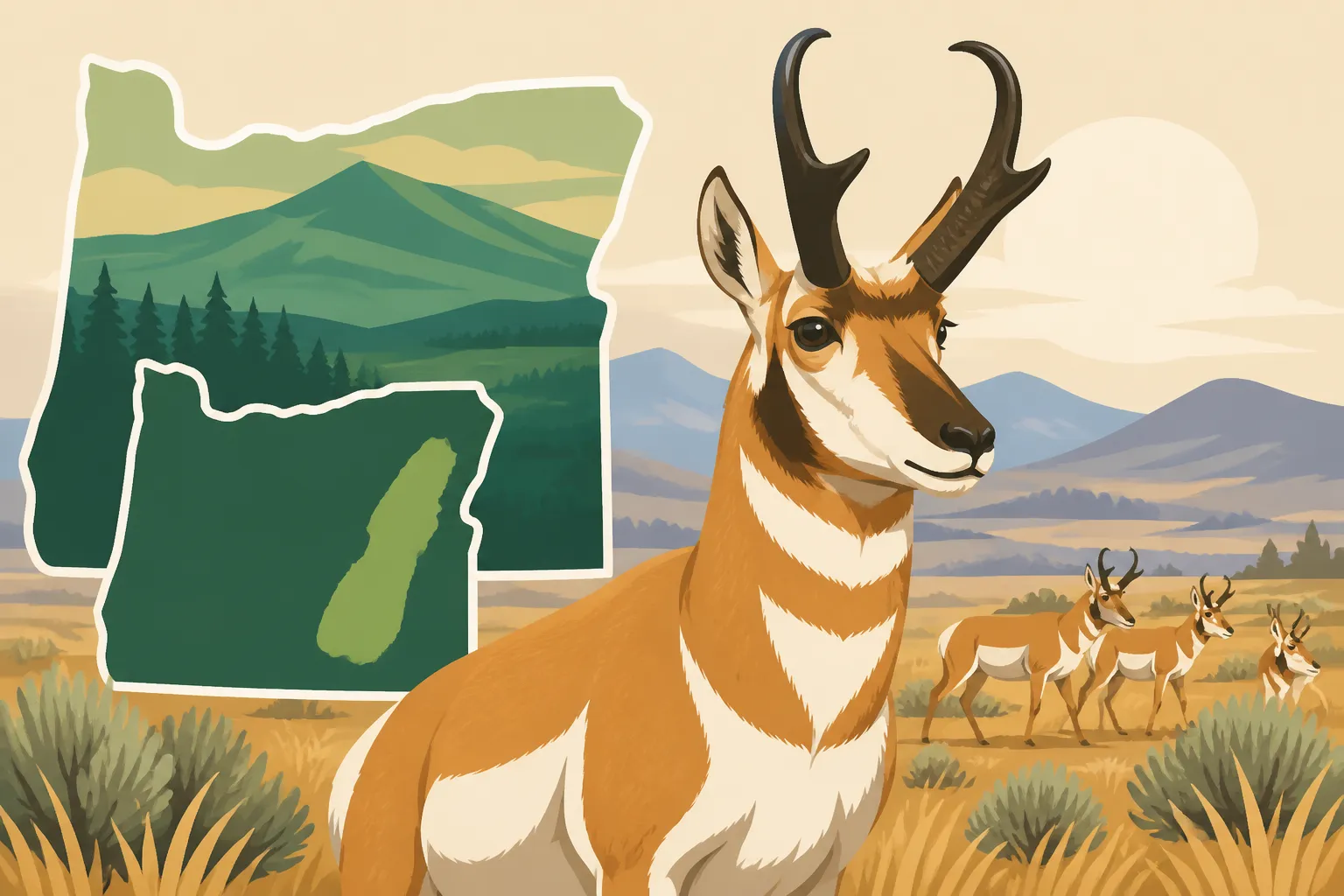
Pinpointing an exact, real-time number for Oregon's pronghorn population is a bit like trying to count grains of sand in the desert – it’s a constant, moving target. ODFW relies on aerial surveys, ground counts, and hunter harvest data to estimate populations. What we do know is that Oregon's pronghorn herds are primarily concentrated in the southeastern and central parts of the state, firmly rooted in the high desert regions.
As of recent ODFW reports, the statewide population typically hovers somewhere between 20,000 and 25,000 animals, though this can fluctuate significantly year to year based on fawn recruitment and overwinter survival rates. Some years see impressive growth, while others, particularly those with harsh winters or prolonged droughts, can see declines. These numbers are a testament to the success of past conservation, yet they underscore the fragility of these populations. Hunters often find themselves looking at Oregon pronghorn population numbers with a keen eye, hoping for favorable conditions. The highest densities are generally found in units within Harney, Malheur, Lake, and parts of Deschutes and Crook counties.
Key Pronghorn Habitats and Geographic Range in Oregon
If you're wondering Where Oregon Antelope Live, you need to picture vast, open landscapes, punctuated by sagebrush, sparse grasses, and volcanic features. Unlike elk or deer that might seek dense timber, pronghorn thrive in an environment that allows them to utilize their incredible speed and eyesight to evade predators.
The High Desert Strongholds
Oregon's high desert region, characterized by its arid climate, dramatic rimrock, and expansive sagebrush flats, is the undisputed kingdom of the pronghorn. This includes massive stretches of Bureau of Land Management (BLM) land and scattered private ranches across southeastern and central Oregon. These areas provide the perfect blend of cover, forage, and visibility that pronghorn require to survive and flourish. They feed primarily on forbs and shrubs, with sagebrush being a critical component of their diet, especially during the lean winter months.
Key areas include the vast expanses around Steens Mountain, the Alvord Desert basin, and the rolling sagebrush hills east of Bend and Prineville. These aren't just pretty landscapes; they are complex ecosystems that support a diverse array of wildlife, with pronghorn being one of its most iconic residents. The terrain here can be deceptive, appearing flat but often hiding subtle draws, small buttes, and dry washes that pronghorn utilize for bedding, travel, and protection from the elements. Understanding these nuances is crucial for success, whether you're scouting or actively hunting.
Specific Units Known for Pronghorn
When we talk about hunting specific units, certain names consistently rise to the top for pronghorn in Oregon. These units represent the core of the state's pronghorn range and are often the most sought-after in the controlled hunt draw.
Top Pronghorn Units in Oregon:
| Unit Name | Primary Counties | General Habitat Description | Estimated Population (Approx.) | Key Characteristics |
|---|---|---|---|---|
| Whitehorse | Harney, Malheur | Vast sagebrush flats, rolling hills, some rimrock | High | Known for trophy potential, challenging terrain. |
| Beatys Butte | Lake | Volcanic rimrock, extensive sagebrush, some juniper | High | Excellent visibility, good fawn recruitment. |
| Wagontire | Lake, Harney | Mix of sagebrush, bitterbrush, open flats | Moderate-High | Accessible but requires extensive glassing. |
| Silver Lake | Lake | Juniper, sagebrush draws, open flats | Moderate | Can hold good numbers, often requires more scouting. |
| Malheur River | Harney, Malheur | River bottoms, irrigated lands, surrounding sagebrush | Moderate | Less traditional, but good localized populations. |
| Gerber Reservoir | Klamath | Sagebrush, open grasslands, near reservoir | Moderate | Southernmost reliable pronghorn unit. |
| Paulina | Deschutes, Crook | Juniper-sage steppe, volcanic features | Low-Moderate | Closer to populated areas, often lower tag numbers. |
It’s not just about getting a tag; it's about knowing the lay of the land. For example, the Whitehorse and Beatys Butte units are legendary for their wide-open spaces and the potential for larger bucks, but they demand serious commitment to glassing and covering ground. You'll likely be spending a lot of time behind your binoculars, which ties into strategies like Glassing Sage and Juniper for Eastern Oregon Mule Deer – many of the same techniques apply. Using tools like GoHunt's Insider platform or ODFW's online mapping resources can give you a head start in understanding terrain features, potential water sources, and historical harvest data for these specific units.
Factors Influencing Pronghorn Health and Distribution
Pronghorn are hardy creatures, but they are not immune to the pressures of a changing environment. Their health and distribution across Oregon are constantly influenced by a variety of natural and human-caused factors. These elements dictate everything from their reproductive success to their seasonal movements.
Habitat Challenges and Degradation
Habitat is king, and for pronghorn, their kingdom is sagebrush steppe. Unfortunately, this critical habitat faces numerous threats. Wildfires, while a natural part of the ecosystem, can be devastating when they burn too hot or too frequently, consuming vast tracts of the very shrubs pronghorn depend on for food and cover. Invasive species like cheatgrass further exacerbate this problem by increasing fire intensity and outcompeting native forage.
Agricultural expansion and development also fragment prime pronghorn habitat, breaking up migration corridors and reducing the overall carrying capacity of an area. While pronghorn are incredible runners, their aversion to jumping fences means that poorly placed or dense fencing can become significant barriers to their movement, trapping them away from vital food or water sources. Understanding Why Antelope Do Not Jump Fences is key to appreciating this specific challenge they face. ODFW, alongside various partners, works on projects like fence modifications to make them more "pronghorn friendly," often by removing the bottom wire to allow animals to crawl underneath.
Predation and Disease Impacts
Like all prey animals, pronghorn face constant pressure from predators. Coyotes are a primary threat, especially to fawns, and their Coyote Density in Eastern Oregon can directly impact fawn recruitment rates. Bobcats and eagles also play a role, particularly in taking young or vulnerable animals. While predation is a natural part of the ecosystem, abnormally high predator numbers in specific areas, especially during critical fawning periods, can suppress pronghorn population growth.
Disease outbreaks can also sweep through herds, though less commonly reported than in elk or deer. Respiratory illnesses or other pathogens can emerge, particularly in stressed populations or during periods of drought where animals congregate more closely around limited water sources. ODFW actively monitors for signs of disease, but preventing widespread outbreaks in wild, free-ranging animals is incredibly difficult. Factors like Pronghorn Fawn Survival in Dry Years directly tie into how well the herd can withstand these pressures.
Climate and Water Availability
Perhaps no factor is as critical to pronghorn survival in Oregon's arid landscape as climate, particularly the availability of water. The high desert is, by definition, dry, and pronghorn have evolved to cope with limited water. However, prolonged droughts can be devastating. When natural water sources dry up, animals are forced to travel further, expend more energy, and concentrate around the few remaining water holes, increasing competition and exposure to predators.
Good winter snowpack that leads to a wet spring is generally beneficial, promoting forb growth that provides both food and moisture. Conversely, light snow followed by a hot, dry summer can lead to poor body condition, reduced reproductive success, and increased mortality. These climatic shifts directly impact the quality and quantity of forage available, affecting everything from fawn growth to overall herd health. Hunters looking to understand the best areas should always be thinking about Finding Water on a Digital Map Before You Hunt, as these locations will often concentrate pronghorn during dry periods.
The Pronghorn's Unique Adaptations to Oregon's Arid Lands
Pronghorn are not merely surviving in Oregon's high desert; they are masterfully adapted to it. Their entire biology and behavior are geared towards thriving in an environment that would be challenging for most other big game species.
Speed, Eyesight, and Survival Strategies
When you think of a pronghorn, you likely think of speed – and for good reason. They are the fastest land animal in North America, capable of running at bursts of up to 60 miles per hour and sustaining speeds of 30-40 mph for miles. This incredible athleticism is their primary defense mechanism against predators. They are built for flight across open terrain, with powerful lungs, specialized hooves, and a lightweight frame.
But speed isn't their only superpower. Pronghorn possess astonishingly keen eyesight, often described as equivalent to an 8-power binocular. Their large eyes are set far back on their head, providing a wide field of view, and they can detect movement at incredible distances. This combination of speed and vision makes them incredibly difficult to approach in the wide-open spaces they inhabit. When alarmed, their bright white rump patch flares, signaling danger to other animals in the herd. This rapid communication and collective vigilance are crucial to their survival. This fantastic combination of traits is explored further in Pronghorn Speed, Eyesight and Behaviour.
Behavioral Patterns and Migration
Pronghorn are primarily grazers and foragers, with their diet consisting of a variety of forbs, grasses, and shrubs, with sagebrush being a critical winter food source. Their feeding patterns often involve continuous movement across large areas, systematically cropping vegetation. They are highly social animals, typically forming herds that can range from a few individuals to dozens, especially outside of the fawning season. These herds provide safety in numbers, with many eyes and ears constantly scanning for danger.
While not all Oregon pronghorn undertake epic, multi-state migrations like some populations further east, many herds engage in localized seasonal movements. They will shift between summer and winter ranges, often seeking higher elevations or areas with better forage during the warmer months, and moving to lower, more sheltered valleys with accessible browse during the winter. These movements can be impacted by factors like snow depth, which can make certain areas inaccessible, or by the availability of water.
During the rut, typically in September, bucks become highly territorial, establishing harems of does and vigorously defending them against rival bucks. These confrontations can be spectacular to witness, with intense chasing and sparring. After the rut, does will congregate, and fawns are born in late spring, usually May or early June. Does often separate from the main herd to give birth, hiding their camouflaged fawns in dense vegetation for the first few weeks, a critical time when the fawns are most vulnerable to predation.
Hunting Pronghorn in Oregon: Management and Opportunities
Hunting pronghorn in Oregon is a highly regulated and deeply rewarding experience. It's not a general season tag you can buy over the counter; it requires careful planning, understanding the draw system, and a significant dose of luck.
Oregon Pronghorn Controlled Hunts Explained
Pronghorn hunting in Oregon is managed exclusively through controlled hunts. This means that access is limited by a lottery draw system, with a finite number of tags allocated to specific units each year. The ODFW sets these tag numbers based on population surveys, harvest objectives, and herd health. This ensures that hunting pressure remains sustainable and doesn't negatively impact the overall population.
To participate, hunters must apply for a controlled hunt tag through ODFW's licensing system. Applications are typically due in May, with draw results announced in June. Each unit and hunt choice has a unique hunt number, and hunters can apply for multiple choices, though their preference points only count towards their first choice. This system is designed to provide opportunities while strictly managing the harvest of these valuable animals. Details on this process can be found by researching Oregon Pronghorn Controlled Hunts.
Applying for a Pronghorn Tag and Draw Odds
Getting a pronghorn tag in Oregon is highly competitive, especially for the more desirable units. Success in the draw often hinges on accumulating preference points. For every year you apply for a controlled hunt but don't draw your first choice, you typically earn a preference point. These points accumulate over time and increase your odds in subsequent draws, as a percentage of tags are often allocated to the highest point holders.
However, a portion of tags are also allocated in a random draw, offering everyone a chance regardless of their point total. This means even first-time applicants have a slim shot. Units with high pronghorn densities and a reputation for trophy bucks, such as Whitehorse or Beatys Butte, can require many years, even decades, of accumulating points to draw. Other units might have slightly better odds but could offer a different hunting experience or lower success rates.
It's vital to research Oregon Pronghorn Application Odds for the units you're interested in, as these odds change annually based on applicant numbers and tag allocations. Tools like GoHunt's Insider service provide detailed historical draw odds and statistics, which can be immensely helpful in deciding where to focus your application. You'll also want to pay close attention to the specific Oregon Pronghorn Season Dates, as these can vary slightly between units. For many, simply drawing a tag is the biggest hurdle, making the hunt itself a bonus after years of dedicated applying. The challenge and rarity of these tags only add to the mystique and appeal of hunting Oregon's magnificent pronghorn.
Disclaimer
Please note that hunting regulations and wildlife populations are subject to change. Always consult the most current Oregon Department of Fish and Wildlife (ODFW) regulations and resources before planning any hunting activity. This guide is for informational purposes only and should not replace official ODFW publications.