Meeting Your Packer at the Trailhead
Let's be honest, few things are as exhilarating as a successful hunt deep in Oregon's backcountry, and few things are as daunting as the thought of packing out hundreds of pounds of meat, hide, and antlers on your back. It's a grueling task that can turn triumph into agony, especially when you're miles from the nearest road. This guide is all about one of the smartest moves you can make to mitigate that physical toll: arranging to meet a professional packer right at the trailhead. We'll walk through exactly what it takes to make that rendezvous seamless, efficient, and stress-free, ensuring your hard-earned game makes it out of the wilderness without spoiling.
The Logistics of Linking Up: Why Trailhead Meetings Matter
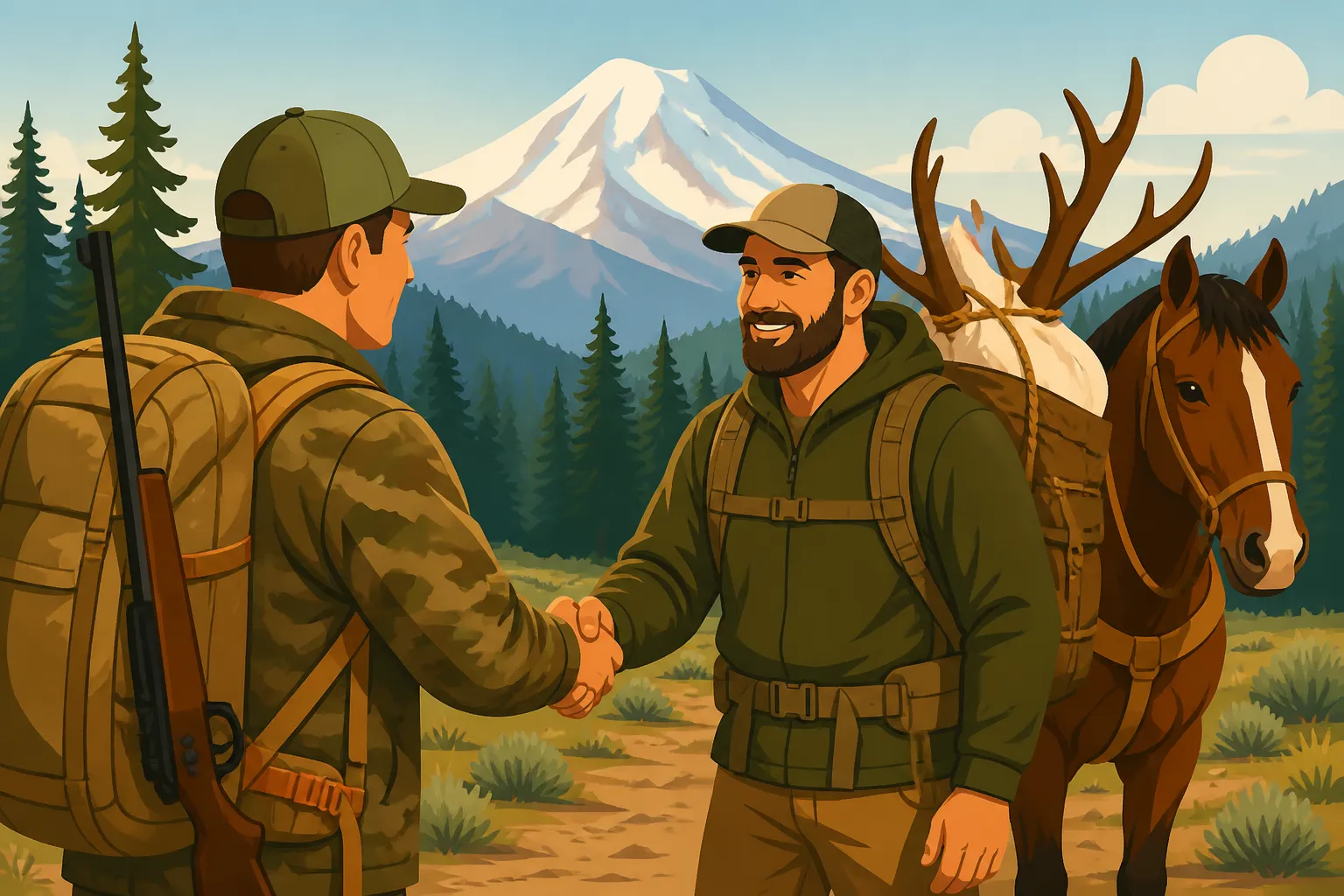
When you're dealing with a downed animal in remote terrain, time is often of the essence. Getting that meat cooled and off the bone quickly is paramount to preventing spoilage, especially in the early archery seasons or during a mild fall. A packer, often with stock animals like mules or llamas, can be a game-changer, turning an exhausting multi-day pack-out into a manageable transfer of goods. But for this to work, the meeting at the trailhead has to be orchestrated perfectly. It’s not just showing up; it’s a coordinated dance of communication and preparation.
The real value of a packer comes from their ability to handle heavy loads over rough terrain, something most hunters simply aren't equipped for alone. Imagine the relief of hiking out with just your day pack, knowing a team is coming in to retrieve your carefully quartered elk or deer. It saves your back, speeds up the process, and often gets your meat to better conditions faster than if you tried to shuttle it out yourself. This service is a major asset for anyone hunting deeper in the wilderness or those with physical limitations that make heavy packing challenging.
The Critical Role of Communication Before the Hunt
You simply cannot overstate the importance of clear, unambiguous communication with your packer well before you ever step foot into the woods. This isn't a casual chat; it's a detailed operational plan. Before you even draw a tag, discuss their availability, their rates, and their preferred method of contact when you're out of cell service. Many packers work with busy schedules, especially during peak seasons, so locking in arrangements early is crucial. If you're looking for reputable services, platforms like BookYourHunt can be a good starting point to find experienced outfitters and packers in Oregon who understand the local terrain and regulations.
Go over every detail: the specific trailhead you plan to use, potential alternative trailheads if conditions change, and a rough timeline. Share maps, highlight your general hunting area, and discuss contingencies for delays. What happens if you can't reach them by satellite phone? What's the protocol if bad weather rolls in? Knowing the answers to these questions beforehand removes immense stress when you're actually in the field. They need to know what to expect and what you expect from them. Remember, they're counting on you to be accurate with your location and realistic about the time it will take you to get to the trailhead.
Understanding Trailhead Access and Limitations
Oregon's trailheads are as diverse as its landscape, ranging from easily accessible paved lots on major highways to remote, rutted dirt tracks deep in national forests or wilderness boundaries. It’s vital to understand the specifics of your chosen trailhead. Is it accessible by a standard vehicle or does it require a high-clearance 4×4? Are there any gates that might be locked, or special use permits required for parking? These details, often overlooked, can derail a perfect plan. A packer's large rig and stock trailer need ample space to maneuver and park.
Always check with the local Forest Service or BLM office for current road conditions and any restrictions. Sometimes, roads leading to popular trailheads are closed due to snow, fire damage, or seasonal travel management rules. Knowing if you need a Trailhead Parking Passes in Oregon or a Northwest Forest Pass Requirements in Oregon is also important; while this typically applies to your vehicle, your packer might need similar information depending on where they park. Misunderstandings about access can lead to significant delays, and potentially, compromised meat. Factor in ample buffer time for the packer to arrive, set up their stock, and prepare for the exchange, especially if they’re coming from a distance.
Preparing for a Smooth Trailhead Rendezvous
The success of a trailhead meeting doesn't just rest on the packer's shoulders; it's equally dependent on your preparation. You've done the hard work of hunting and field dressing your animal. Now, it's about making that next step as efficient as possible for the packer, ensuring your valuable game is ready for transport. Thinking ahead and having everything organized means a quicker transfer and less stress for everyone involved. This is where your attention to detail really pays off.
What to Have Ready for Your Packer
When your packer arrives, they expect to see a game animal that is already broken down and ready to load onto their stock. This means having your elk or deer Quartering and Packing an Elk Alone into manageable pieces. Meat should be off the bone, trimmed of excess fat and blood-shot areas, and placed in breathable game bags. It's not enough to simply cut it up; cleanliness and proper cooling are key. If you've managed to hang the meat in the shade while waiting, even better.
Antlers should be separated from the skull plate (unless you're bringing out a full skull for a European mount, which should be discussed with the packer beforehand). The hide, if you intend to keep it, should be properly skinned and folded or rolled to make it easy to handle. Label everything clearly: "Left Front Quarter," "Backstraps," "Cape," "Antlers." This organization helps the packer load efficiently and ensures nothing gets mixed up. Remember, you're trying to make their job as straightforward as possible, which benefits you in the long run by saving time and effort at the meeting point. Don't show up with a whole carcass hoping they'll do the butchering – that's not typically part of a packing service.
Essential Gear for Your Wait and Transfer
While you might be hiking out light after calling in your packer, there are a few items that are absolutely essential to have with you at the trailhead for the transfer itself. A large, clean tarp is invaluable. You'll need it to lay out your game bags and antlers, keeping them off the dirt or mud while awaiting transfer. This also provides a clean surface for any last-minute adjustments. Consider having some extra game bags on hand, just in case one gets torn or you realize you need to divide a larger piece.
Coolers, especially if you have a long drive home, should be ready in your vehicle, filled with ice. As soon as the meat is transferred from the packer's stock, it needs to go into those coolers. This ties into Coolers, Ice and the Drive Home From Eastern Oregon directly. If you've been strategizing with mapping tools like GoHunt, you probably already have your trailhead marked and know the closest place to resupply ice if needed. Don't underestimate the need for plenty of water for yourself and the packer, especially if you're meeting in a dry, dusty area. And for those remote locations where cell service is non-existent, a satellite communicator or two-way radio is critical for last-minute communication or emergencies. You don't want to be stranded, or have your packer wondering where you are.
Common Challenges and Troubleshooting
Even with the best planning, backcountry hunting and logistics can throw curveballs. Trailhead meetings, while designed to simplify the pack-out, are still susceptible to the whims of weather, trail conditions, and human error. Being prepared for these challenges and knowing how to troubleshoot them can be the difference between a successful retrieval and a frustrating ordeal. It's about maintaining a flexible mindset and having contingency plans in place.
Dealing with Delays and Unexpected Issues
Picture this: you've called your packer, set a time, and hiked out to the trailhead, only to find heavy rain has turned the access road into a muddy mess, or perhaps a sudden early snow has made the trail treacherous for stock. Delays are a real possibility. Wildlife activity, unexpected trail damage, or even a breakdown of the packer's rig can set things back. This is why that pre-hunt communication is so important. You should have discussed what to do in case of a delay, how long you're prepared to wait, and what methods you'll use to communicate.
It’s also crucial to monitor conditions. Always check the forecast and local land management agency websites for alerts. Checking Oregon Fire Closures Before the Season or understanding Smoke and Visibility During Fire Season can impact access or even force temporary closures. If you have a satellite messenger, send regular updates to your packer as you hike out, confirming your location and estimated arrival. Patience is a virtue here. Rather than getting frustrated, focus on keeping your meat as cool and clean as possible while you wait. A delay of a few hours is much better than rushing and damaging your hard-won game or, worse, losing it entirely.
Ensuring Clarity on Payment and Services Rendered
Money matters are best settled upfront, or at least clearly understood, to avoid any awkwardness at the trailhead. Most packers will have a standard rate, often per animal or by weight, but confirm this beforehand. Ask What a Packer Charges Per Trip and whether that fee includes things like hide and antlers, or if those are extra. Is there a deposit required? When is the final payment due? Cash, check, or digital payment? Having these details hammered out eliminates any surprises when it's time to settle up. Reputable services, often found through resources like BookYourHunt, will have transparent pricing.
Sometimes, unforeseen circumstances might change the scope of work. Perhaps your animal went down farther than anticipated, or the trail was much tougher than described. A good packer will communicate any potential changes to the agreed-upon price well in advance, if possible. Be realistic about the challenge you're asking them to undertake. If you've hired a packer, you're paying for their expertise, their equipment, and their considerable physical effort. A small tip for exceptional service is always appreciated, but ensure the base fee is absolutely clear before the exchange of goods occurs. No one wants a dispute at a remote trailhead after a long, arduous day.
After the Hand-off: What Happens Next?
The moment your game is safely transferred to the packer's stock, there's a huge sense of relief. But your work isn't entirely done. There are still crucial steps to ensure the meat arrives home in pristine condition and that your relationship with the packer is solidified for future hunts. Thinking through these final stages will cap off a successful hunting and retrieval experience.
Securing Your Meat for the Journey Home
Once the packer loads your game and heads back into the wilderness, your focus shifts to the meat waiting in your vehicle. If you've met the packer with your truck or SUV, you should already have a plan for Cooling Meat in a Truck Bed and for the drive home. This typically involves large coolers packed with ice. The goal is to get that meat's internal temperature down as quickly as possible and keep it there. Layer ice directly on the game bags, making sure there’s good contact.
Avoid leaving game bags directly on hot truck beds or in direct sunlight. If your drive is long, consider a stop at a gas station or general store to replenish your ice supply. The condition of your meat when it arrives at the processor or your home kitchen largely depends on these critical hours after it leaves the field. Don't let your efforts in the backcountry be undermined by poor post-pack-out handling. Remember, a spoiled quarter is not only a waste of meat but a disrespectful end to an animal's life.
Following Up and Future Engagements
After the hunt is over and the meat is safely processed, take a moment to follow up with your packer. A simple thank you can go a long way. If they provided exceptional service, consider leaving a positive review on any platforms they use or recommending them to friends. Building a good relationship with a reliable packer can be invaluable for future hunts, especially in competitive units or during peak seasons when quality services are in high demand.
Think about what worked well and what could be improved for next time. Did the communication flow smoothly? Was the meeting point ideal? This reflection will refine your approach for future trips. A good packer will remember clients who are organized, communicative, and appreciative. They are a vital part of the Oregon hunting community, and a solid connection with one can truly enhance your backcountry hunting success for years to come.
| Task Category | Pre-Hunt Planning | At Trailhead (Arrival) | Post-Hand-off (Departure) |
|---|---|---|---|
| Communication | Confirm packer availability & rates | Confirm estimated arrival time | Send thank you, provide feedback |
| Share detailed maps & GPS points | Communicate any delays/issues | ||
| Preparation | Understand trailhead access | Have game quartered & bagged | Replenish ice in coolers |
| Discuss payment terms & contingencies | Label all items clearly (meat, antlers, cape) | Secure meat in vehicle for transport | |
| Pack essential transfer gear | Lay out tarp for clean transfer | ||
| Gear & Logistics | Check road conditions, permits | Have satellite comms/radio ready | Know your route home |
| Plan for ice supply for drive home | Prepare payment (cash/check/app) | ||
| Ensure vehicle can reach trailhead | Have water for yourself & packer |
Disclaimer
This article is for general informational purposes only and does not constitute professional advice. Laws, prices and regulations vary by location and change over time. Consult a qualified professional for guidance on your specific situation.