Bridge Creek Wildlife Area Access
It’s a familiar frustration, isn't it? You spend hours poring over maps, dreaming of that perfect public land hunt, only to find confusing rules or unclear access points when it comes to specific wildlife areas. Bridge Creek Wildlife Area is a gem nestled in the Blue Mountains of Eastern Oregon, offering fantastic opportunities, but knowing how to get in, where to go, and what the rules are can feel like cracking a secret code. This guide is here to demystify access to the Bridge Creek Wildlife Area, helping you plan your next adventure with confidence, so you can focus on the hunt itself, not the headache of logistics.
Understanding Bridge Creek Wildlife Area
Before you even think about throwing a pack on your shoulders, it's vital to get a real feel for the Bridge Creek Wildlife Area itself. It's not just a patch of woods; it's a managed landscape with specific purposes and characteristics that directly impact your hunting experience.
Location and Landscape
Bridge Creek Wildlife Area is situated in the rugged, beautiful Blue Mountains of eastern Oregon, not too far from the small town of Ukiah. This isn't your sprawling high desert sagebrush, nor is it the dense, wet coastal timber. Instead, you'll find a captivating mix of ponderosa pine forests, fir stands, and open grasslands, often interspersed with riparian zones along its namesake, Bridge Creek, and other smaller drainages. The elevation can vary quite a bit, leading to diverse habitats.
This diverse landscape means that game animals have a variety of places to feed, bed, and travel, from sunny, open slopes to dark, timbered canyons. For hunters, this translates to different strategies depending on where you are within the area. Understanding the topography and vegetation types will be your first step in successful scouting and hunting. You might find yourself still-hunting through a pine flat in the morning, then glassing a brushy hillside in the afternoon, or even tracking along a creek bottom. This dynamic environment is part of what makes hunting here so rewarding, but also demands adaptability.
Purpose and Management Goals
Like all wildlife areas managed by the Oregon Department of Fish and Wildlife (ODFW), Bridge Creek isn't just a free-for-all public hunting ground. It was acquired and is actively managed with specific goals in mind, primarily focused on wildlife conservation and providing public recreational opportunities, with hunting being a key component. The primary purpose for Bridge Creek is often related to winter range for mule deer and elk, and general habitat improvement for these species, as well as upland birds and other wildlife.
These management goals directly influence access and regulations. For instance, if a section is critical winter range, it might have seasonal closures to protect vulnerable animals during harsh months. Habitat work, such as prescribed burns or timber thinning, is done to enhance forage and cover, which can lead to better hunting in subsequent years, but might also temporarily impact access or game patterns during the operation. Knowing these underlying goals helps you understand why certain rules exist and how the land is being shaped, giving you a deeper appreciation for the resource and informing your hunting strategy. It's all about finding that balance between wildlife needs and hunter opportunity.
Navigating Access Points and Rules
Once you understand the lay of the land, the next crucial step is figuring out how to actually access the Bridge Creek Wildlife Area and, perhaps even more importantly, what rules you need to follow once you're there. Public land doesn't mean no rules, especially in a managed wildlife area.
Designated Entry and Parking
Accessing Bridge Creek Wildlife Area generally involves using designated entry points, often marked with ODFW signage. You can't just drive in anywhere you please; there are specific roads and parking areas. Many of these wildlife areas operate under a "walk-in only" philosophy for much of their interior, meaning you'll park your vehicle and proceed on foot. This is fantastic for reducing pressure and maintaining a more wild experience, but it also means you need to be prepared to hike.
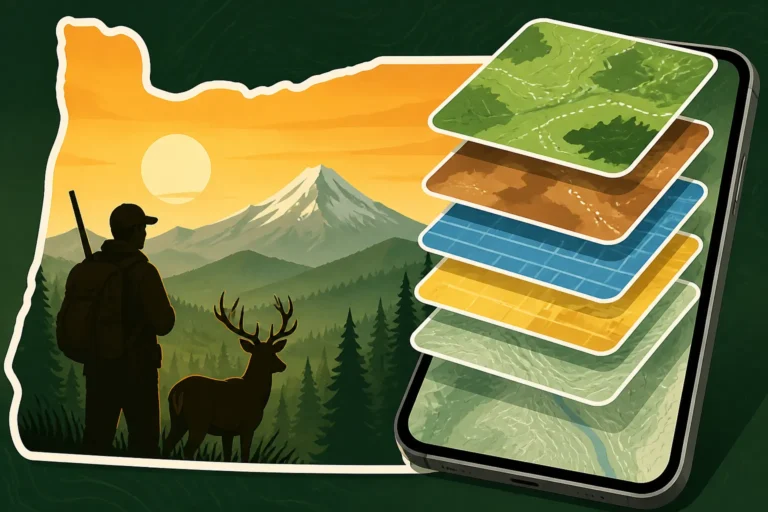
Before you go, it's absolutely essential to consult current ODFW maps for the Bridge Creek Wildlife Area. Digital tools like E-Scouting Oregon Units With Satellite Imagery can be invaluable here. You can identify potential parking pull-offs, designated lots, and the boundaries of the walk-in areas. Using an app like onX Hunt allows you to see property lines, public land boundaries, and even road statuses right on your phone, preventing accidental trespass onto adjacent private timberland or ranch property. There's nothing worse than arriving at your planned spot only to find it's private, or that the road you intended to take is now closed or only accessible via a specific permit. Always double-check the latest ODFW access maps before heading out.
Specific Hunting Regulations
Hunting regulations within Bridge Creek Wildlife Area can be more stringent than general public land regulations. These areas are often managed to provide specific types of hunting experiences or to protect certain populations. For instance, there might be restrictions on weapon types (e.g., archery only during certain seasons), special check-in/check-out requirements, or limitations on target shooting. Some wildlife areas may also have specific rules regarding dog use, particularly outside of upland bird seasons.
It's not uncommon for wildlife areas to have slightly different season dates or bag limits than the larger game management unit they reside in, so never assume. Always consult the most current Oregon Big Game Regulations and the specific ODFW pamphlet for the Bridge Creek Wildlife Area. You can often find a dedicated section for wildlife areas in the general regulations. Pay close attention to rules about motorized travel, camping, and even how far you need to be from certain facilities or roads. Understanding these nuances will keep you legal and ensure you're participating in responsible hunting. Even experienced hunters need to brush up on these details; you don't want a simple misunderstanding to ruin your trip or lead to a fine.
Seasonal Restrictions and Closures
Bridge Creek Wildlife Area, like many others, often implements seasonal restrictions and closures. These are typically in place to protect wildlife during sensitive periods, such as winter stress for elk and deer, or during nesting seasons for birds. Winter range closures are particularly common in eastern Oregon and are critical for the survival of herds like Oregon Mule Deer and the Herd Range Decline. Such closures restrict public access entirely to specific parts of the area for several months.
It's crucial to check ODFW's website for any current or anticipated closures before you plan your trip. These can sometimes change depending on weather conditions or unforeseen events like wildfire. During extremely dry periods, fire restrictions may also impact access, including banning campfires or even restricting motorized vehicle use on certain roads. Always respect these closures; they are put in place for a good reason, and ignoring them can harm wildlife and jeopardize future hunting opportunities for everyone. I've seen firsthand how frustrating it is to plan an entire hunt, drive for hours, and then find a gate locked with a "CLOSED" sign because I didn't check the updates. Learn from my mistakes!
Hunting Opportunities and Considerations
Bridge Creek Wildlife Area offers diverse hunting prospects, primarily for big game, but also for smaller species. Knowing what to expect and how to prepare will significantly boost your chances of a successful and enjoyable hunt.
Primary Game Species
The main draw for hunters at Bridge Creek Wildlife Area is undoubtedly the big game. You'll primarily find opportunities for elk and mule deer. While the area isn't necessarily famous for trophy animals, it offers consistent opportunities for general season hunters. Elk here are typically Rocky Mountain elk, known for their larger body size and impressive antlers compared to their Roosevelt cousins to the west. Mule deer populations, while experiencing some challenges in the broader region, still call Bridge Creek home, particularly during the archery and rifle seasons. Rifle Choice for Oregon Elk and Deer is a critical decision here, balancing power with manageable recoil for varied terrain.
Beyond big game, Bridge Creek can also offer some black bear hunting, especially in the spring or fall when bears are active and feeding. Upland birds, such as grouse, may also be present, offering a secondary hunting pursuit for those with the appropriate tags and gear. Predators like coyotes are also common. Always make sure you have the correct tags and validations for any species you intend to pursue. Each species requires a different approach, from stalking mule deer in scattered timber to calling for elk in thicker pockets. Understanding the specific habits of these animals in this unique environment is key.
Permits and Special Requirements
While Bridge Creek Wildlife Area is generally considered public land and accessible with standard Oregon hunting licenses and tags, there can be nuances. For some specific activities or seasons, an additional permit or registration might be required, especially if the area operates under a specific wildlife management plan. This is less common for general big game seasons, but for certain controlled hunts or specific area management, it's always a possibility.
It’s always a good idea to check if there are any online registration requirements or check-in stations for the Bridge Creek area, similar to what you might find for Oregon Wildlife Area Hunting Permits in other parts of the state. Sometimes, even if no special permit is needed, ODFW encourages or requires hunters to report their activity or harvest directly to the wildlife area manager for data collection purposes. This helps wildlife managers monitor hunter pressure and success, informing future management decisions. Being proactive and checking for these requirements saves you a headache and ensures you're contributing to good wildlife management practices.
Environmental Factors to Watch For
Hunting in Bridge Creek, or any Eastern Oregon locale, means being acutely aware of environmental factors. Weather can change rapidly and drastically. Early fall hunts can be surprisingly warm, demanding careful meat care and quick field dressing, while late fall or early winter hunts can bring freezing temperatures, snow, and challenging travel conditions. Rain can turn dirt roads into muddy quagmires, making vehicle access difficult or impossible for anything less than a 4×4.
Beyond weather, consider fire season. Eastern Oregon often experiences significant wildfire activity, and active fires or recent burns can drastically alter access, visibility, and even animal behavior. Always check fire restrictions and closures. Water sources can be scarce in drier years, influencing where animals congregate. Multi-Day Camps in Oregon's Roadless Country in such areas require careful planning for water supply. Topography also plays a huge role; steep canyons can make packing out an animal a monumental task. Scouting the terrain beforehand, perhaps using digital mapping tools like GoHunt or onX Hunt to analyze contours and potential game trails, can help you anticipate these challenges.
Tools and Tips for Planning Your Visit
Successful hunting isn't just about what you do in the field; it starts long before you ever leave home. Having the right tools and a solid plan will make your Bridge Creek experience much more enjoyable and effective.
Mapping and Digital Resources
In this day and age, physical maps are still valuable, but digital mapping tools have become absolutely indispensable for planning and navigating public lands like Bridge Creek Wildlife Area. Applications like onX Hunt are incredibly powerful, allowing you to view detailed satellite imagery, topographic maps, and most critically, property boundaries. This means you can confidently identify public land versus private timber or ranch land, mark potential parking spots, plot waypoints for game sign, and even track your movements in real-time. Finding Public Access in Oregon is made so much easier when you can clearly see the lines.
When planning for Bridge Creek, use these tools to identify access roads, mark designated parking areas, and visualize the terrain. Look for drainages, clearings, and variations in timber density that might hold animals. GoHunt, while often focused on controlled hunt units, can also be a valuable resource for general information on game populations in the broader region that Bridge Creek resides in, providing insights into herd health and overall hunting prospects. These resources are also great for identifying areas that might be off-limits due to seasonal closures or private land intermingling, helping you avoid frustrating surprises.
Essential Gear and Preparation
A successful hunt at Bridge Creek requires the right gear, and thoughtful preparation. Given the varied terrain and potential for diverse weather, layering your clothing is key. Expect cool mornings and evenings, even in early fall, but warm midday temperatures can be a factor. Durable, waterproof boots are a must, as you'll likely be covering significant ground, possibly through wet grass or snow depending on the season. A good quality backpack, suitable for carrying your essentials for the day or even multiple days, is critical.
Beyond the basics, think about what's unique to a wildlife area. If there are specific check-in requirements, ensure you have pens and paper or the right app ready. Consider a quality pair of binoculars or a spotting scope for glassing open hillsides and timber edges. For safety, always carry a first-aid kit, a headlamp, fire-starting materials, and extra food and water. Communication devices, whether a fully charged phone with downloaded offline maps, or a satellite messenger for areas without cell service, are vital. Leaving a trip plan with someone at home is a non-negotiable safety measure. Remember, Oregon Hunter Education Requirements cover much of this crucial safety and preparation, ensuring you're ready for whatever the Oregon wilds throw your way.
Table: Common Hunting Considerations for Bridge Creek Wildlife Area
| Feature | Description | Key Consideration for Hunters |
|---|---|---|
| Location | Blue Mountains, Eastern Oregon, near Ukiah | Diverse terrain; expect timbered slopes, open pockets, creek bottoms. |
| Primary Game | Rocky Mountain Elk, Mule Deer, Black Bear, Upland Birds | Target these species; research their habits in mixed forest/grassland environments. |
| Access | Designated ODFW entry points, often walk-in only past parking areas | Use digital maps (onX Hunt) to identify legal access and parking. Be ready to hike. |
| Regulations | Standard ODFW rules apply, but check for specific wildlife area regulations | Always consult the current ODFW hunting pamphlet for Bridge Creek specifics. |
| Seasonal Closures | Common for winter range protection (December – April) | Check ODFW website for active dates; avoid planning trips during closed periods. |
| Terrain | Rolling hills, steep canyons, mixed forest and open grasslands | Physical fitness is important; anticipate challenging pack-outs in uneven terrain. |
| Weather | Variable; warm early season, potential for snow/cold late season | Dress in layers, carry rain gear. Be prepared for mud or dust on access roads. |
| Digital Tools | onX Hunt, GoHunt (for regional info) | Essential for navigation, property lines, and pre-scouting. Download offline maps. |
| Camping | Generally allowed in designated areas or dispersed on adjacent public land | Check specific ODFW rules for camping within the wildlife area. |
Disclaimer
This article is for general informational purposes only and does not constitute professional advice. Laws, prices and regulations vary by location and change over time. Consult a qualified professional for guidance on your specific situation.