Oregon’s Hells Canyon Wilderness Trailheads
Hells Canyon, a place of immense beauty and brutal unforgiveness, presents a unique challenge for any hunter looking to venture into its depths. The sheer scale, the precipitous drops, and the wild, roadless expanses can make merely finding an entry point feel like the first, most daunting hurdle of your entire hunt. This guide is here to cut through that confusion, focusing on the specific trailheads on the Oregon side of Hells Canyon Wilderness and giving you a clear picture of what to expect when you decide to take on one of the continent's most rugged hunting grounds.
Understanding Hells Canyon Wilderness Access Challenges
Stepping into Hells Canyon is truly stepping back in time, into a landscape that demands respect and meticulous preparation. Unlike many public lands where a network of roads might crisscross a unit, Hells Canyon is designated wilderness, meaning mechanized travel is strictly prohibited. This fundamental rule shapes every aspect of accessing and hunting this incredible region. You can't just drive to a promising ridge and start glassing; you have to earn every foot of elevation and every mile of travel.
The Nature of the Hells Canyon Wilderness
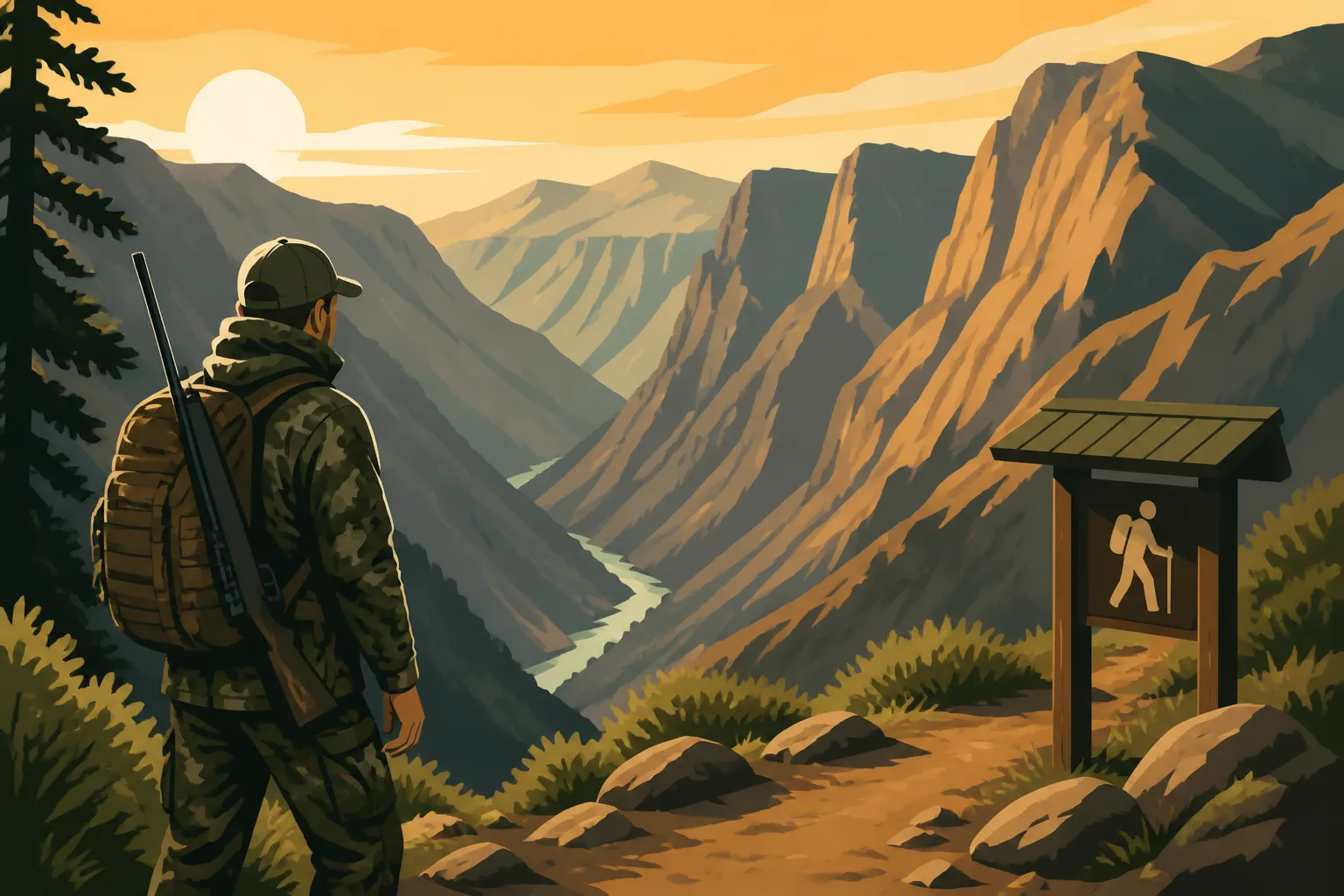
Imagine a canyon deeper than the Grand Canyon, carved by the Snake River, flanked by towering rimrock, dense timber, and vast, rolling plateaus. That's Hells Canyon. The terrain is relentlessly steep, with elevation changes measured in thousands of feet over very short distances. Water sources can be scarce, especially in late season or dry years, and reliable navigation is non-negotiable. It's a land where trails can be faint, overgrown, or even nonexistent, fading into slide alder or rocky scree slopes. This isn't a place for the faint of heart or the unprepared. The physical demands are extreme, testing even seasoned backcountry hunters. You're looking at days, not hours, to truly penetrate the core hunting grounds from most trailheads. This is why thorough preparation, both physically and mentally, is paramount for anyone considering a hunt here.
General Access Considerations for Hunters
Accessing Hells Canyon for hunting typically means going in on foot or with pack stock. Each method has its pros and cons, but both require a high degree of self-sufficiency. If you're going in on foot, your pack will be your lifeline, and every ounce counts. You'll need to be fit enough to carry heavy loads up and down unforgiving grades for multiple days. For those considering stock, whether horses or llamas, remember that these animals also require significant logistical planning, including feed, water, and knowledge of how to pack and handle them in incredibly rugged terrain. Furthermore, the sheer remoteness means that any emergency, from a twisted ankle to a lost animal, becomes a major ordeal. Cell service is virtually nonexistent in the canyon's depths, making satellite communication devices essential. Before you even load your rifle, consider spending months, if not a full year, working on your Physical Training for an Oregon Elk Hunt because this country will expose any weakness.
Key Trailheads on the Oregon Side
Oregon offers several primary trailheads that serve as gateways into the vastness of Hells Canyon Wilderness. Each presents its own unique challenges and opportunities, leading to different types of country and potential game encounters. Understanding the nuances of each can help you tailor your entry point to your hunting style and target species.
Lord Flat Trailhead
The Lord Flat trailhead offers access to one of the more unique areas within the Hells Canyon Wilderness. To get there, you'll often take the infamous Dug Bar Road – a challenging, unpaved route that requires a high-clearance, 4×4 vehicle and a fair bit of grit. Once you reach the trailhead near the Snake River, the path quickly ascends to the expansive Lord Flat plateau. This area is characterized by open grasslands, scattered timber patches, and steep breaks dropping into the canyon. Hunters often find this area good for mule deer and elk, particularly during late-season hunts when animals might be moving to lower elevations. The plateau itself can offer some easier walking compared to the steep canyon walls, but getting down into the true wilderness from there is still a significant undertaking. Water can be a major concern on Lord Flat itself, so always verify seasonal availability before relying on it.
Hat Point Trailhead
Perhaps one of the most iconic access points, Hat Point offers breathtaking panoramic views of Hells Canyon. While the drive to Hat Point Lookout is relatively accessible (though still on a winding, unpaved road), the real work begins when you step onto the trails descending from this lofty vantage point. Hat Point serves as a launching pad for hunters looking to drop deep into the Snake River Breaks and beyond. Trails from Hat Point, like the Saddle Creek Trail, plummet thousands of feet into the canyon, granting access to steep, timbered slopes and drainages where both Roosevelt elk and mule deer can be found. The elevation gain on the way out is absolutely brutal, often requiring multiple days and a serious test of endurance, especially if you're packing meat. This trailhead is ideal for hunters who want to experience the grandeur of the canyon immediately and are prepared for a vertical challenge. You'll need to know how to maximize your Pack Frame Load Weight for One Hunter to make it out in fewer trips.
McGraw Creek Trailhead
Located further north along the Imnaha River corridor, the McGraw Creek trailhead provides another entry point into the rugged heart of Hells Canyon. This trailhead typically leads into more timbered country than the immediate vicinity of Lord Flat or Hat Point, offering different hunting experiences. From McGraw Creek, you can access areas known for holding good numbers of Roosevelt elk, particularly in the dense drainages and secluded basins. The trails here can be less maintained than some others, quickly turning into steep, brushy climbs or descents. Navigation is key, and having robust digital mapping like onX Hunt is invaluable for staying on course and identifying potential hunting spots or water sources. While challenging, the McGraw Creek area offers a more intimate, timber-focused hunting experience for those willing to put in the work.
Somers Creek Trailhead
For hunters seeking to explore the more remote southern sections of Hells Canyon on the Oregon side, Somers Creek Trailhead is a viable option. Accessed via Forest Service roads from near the small town of Halfway, this trailhead provides access to an area known for its deep canyons, rimrock formations, and diverse habitats. Similar to McGraw Creek, it offers a mix of timber and more open, brushy slopes. The long approach to this trailhead means it sees slightly less traffic than some of the more prominent ones, potentially offering a more solitary wilderness experience. Hunting here often involves traversing incredibly steep slopes, navigating dense brush, and being prepared for varied terrain that can hold both elk and mule deer. It's an excellent choice for those looking for a true wilderness adventure away from potential crowds, understanding that the challenges of access and egress are significant.
Planning Your Hells Canyon Wilderness Hunt
Successfully hunting Hells Canyon isn't just about drawing a tag; it's about meticulous planning, preparation, and having the right tools and mindset. This wilderness will test every fiber of your being, and your success hinges on how well you prepare for its unique demands.
Mapping and Digital Tools
Before you ever set foot on a trailhead, your preparation should begin with a deep dive into maps. Topographic maps are your best friend here, revealing the true contours of the land in a way that flat maps simply cannot. But in today's world, digital tools like onX Hunt are absolutely revolutionary for wilderness hunting. You can scout from home, identifying potential game movement corridors, glassing points, and critical water sources using satellite imagery. The app's ability to display public and private land boundaries is invaluable, ensuring you stay on the right side of the law in complex border areas. You can pre-mark waypoints for camps, water, and potential animal sign, then download offline maps to ensure you have navigation even without cell service – which you almost certainly won't have in Hells Canyon.
While not directly about trailheads, platforms like GoHunt can be incredibly useful for broader planning. Their resources often provide in-depth unit analyses, harvest statistics, and draw odds, helping you understand the overall hunting pressure and success rates in the larger units that encompass Hells Canyon. This kind of data can inform your decision on which part of Hells Canyon you might want to target, or whether to focus on a particular species based on local herd performance. Remember, information is power when you're going into such wild country. You should also check out E-Scouting Oregon Units With Satellite Imagery to dial in your digital scouting skills.
Physical Preparation and Gear
We've touched on physical demands, but it cannot be overstated: Hells Canyon will push your physical limits. Months before your hunt, you should be engaging in rigorous cardio, strength training, and, critically, hiking with a weighted pack on steep terrain. Simulate the hunt as much as possible.
Your gear needs to be top-notch and minimalist. Every item must serve a purpose. Reliable boots are paramount – ones that are broken in, provide excellent ankle support, and can handle rocky, steep, and potentially wet conditions. A well-fitting, sturdy pack is non-negotiable for carrying heavy loads. Essential items include:
- A high-quality water filtration system or ample water storage.
- Reliable rain gear that truly stands up to Rain Gear That Actually Stays Dry.
- Layered clothing for unpredictable mountain weather.
- A dependable headlamp with spare batteries.
- A first aid kit stocked for wilderness emergencies.
- A satellite communication device (e.g., inReach or Spot) for emergencies.
- High-quality optics – binoculars and a spotting scope – are vital for picking apart the vast terrain.
Logistics and Leave No Trace
When hunting in Hells Canyon, consider the specific rules governing Oregon Wilderness Areas Open to Hunting. Group size limits, stock use regulations (including certified weed-free feed requirements for horses or llamas), and general Leave No Trace principles are strictly enforced. Plan your camp carefully, selecting durable surfaces away from water sources. Pack out everything you pack in, including all trash and food waste. When using pack stock, be mindful of trail impact and potential for resource damage. Always leave a detailed trip plan with someone responsible back home, including your specific entry and exit points, intended route, and expected return date. This simple step can be a lifesaver if something goes wrong.
Remember, Hells Canyon is a wilderness, not a theme park. Respect its wild character, minimize your impact, and leave it as pristine as you found it for future generations of hunters and adventurers.
Here's a quick comparison of some of the Oregon-side Hells Canyon trailheads:
| Trailhead Name | Primary Access Type | Terrain Characteristics | Typical Game Species | Key Challenges |
|---|---|---|---|---|
| Lord Flat Trailhead | Foot / Stock | Plateau, steep breaks, open grasslands, scattered timber | Mule Deer, Elk | Rough road to trailhead, water scarcity on flat |
| Hat Point Trailhead | Foot / Stock | High vantage, extreme vertical drop into canyon, timber | Roosevelt Elk, Mule Deer | Brutal uphill egress, very steep trails |
| McGraw Creek Trailhead | Foot / Stock | Timbered drainages, brushy slopes | Roosevelt Elk | Less maintained trails, steep ascents/descents |
| Somers Creek Trailhead | Foot / Stock | Deep canyons, rimrock, mixed timber, brush | Elk, Mule Deer | Remote access, varied and rugged terrain |
Hells Canyon offers some of the most challenging yet rewarding hunting experiences in Oregon. By understanding the unique characteristics of its trailheads and committing to thorough preparation, you can transform a potentially overwhelming endeavor into an unforgettable wilderness hunt.
Disclaimer
This article is for general informational purposes only and does not constitute professional advice. Laws, prices and regulations vary by location and change over time. Consult a qualified professional for guidance on your specific situation.