Maury Mountain Hunting Access
It's incredibly frustrating when you're trying to plan a hunting trip to a new or less-familiar area in Oregon, and all the information feels vague or scattered. You hear whispers about great spots, but actually finding solid details on access, terrain, and what to expect can feel like looking for a needle in a haystack. This guide is here to cut through that confusion, giving you a detailed look at hunting access and opportunities in the Maury Mountain area, so you can plan your next adventure with confidence.
Understanding the Maury Unit's Unique Landscape and Terrain
The Maury Unit, nestled in Central Oregon's high desert, presents a captivating yet challenging hunting landscape. It's an area that truly embodies the term "high desert," offering a distinct blend of open sagebrush flats, juniper woodlands, and more rugged, timbered slopes. This varied topography is precisely what makes it a magnet for diverse game species, but it also demands a thorough understanding from any hunter hoping to be successful.
Geographic Boundaries and Key Features
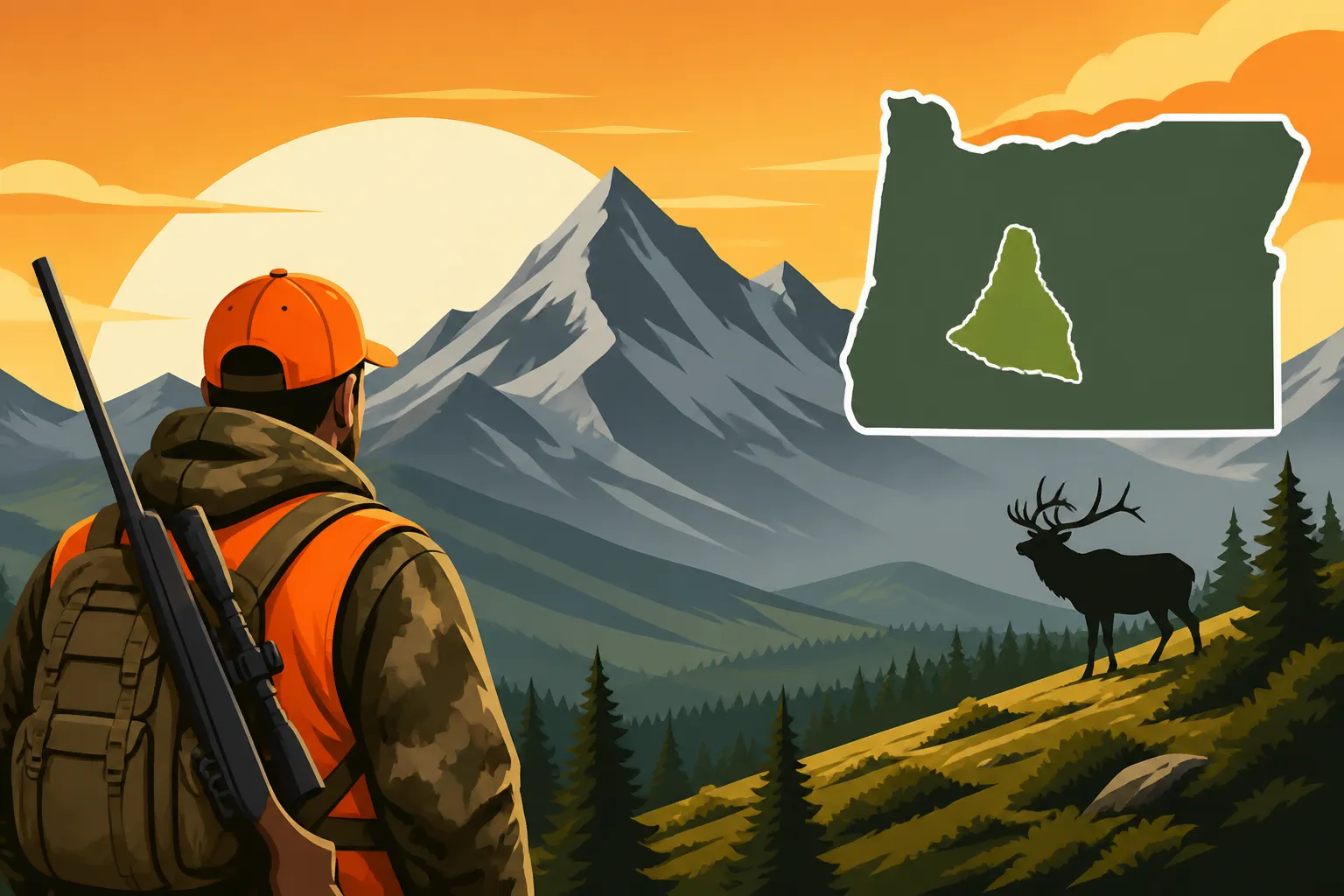
The Maury Unit itself is generally defined by the Crooked River to the north and west, bordering the Grizzly Unit. To the south, it transitions towards the Paulina Unit, and to the east, you start getting into the Maury Mountains proper and beyond into areas like the Ochoco National Forest. It’s a vast expanse, characterized by rolling hills and significant buttes that rise out of the flatter plains. The Maury Mountains themselves form the spine of the unit, offering higher elevations and denser timber pockets compared to the surrounding country. These peaks and ridges often hold snow later into the season, providing crucial water sources and varying conditions for game. Identifying these key geographic features is paramount to understanding game movement. You'll often find deer and elk using these natural travel corridors and elevation changes to escape pressure or find feed.
Vegetation and Cover Types
When you head into the Maury Unit, you’ll immediately notice the prominent sagebrush steppe, often mixed with bitterbrush and various native grasses. This open country is quintessential mule deer habitat, providing forage and surprisingly effective low cover. As you gain elevation, particularly on the slopes of the Maury Mountains, the vegetation transitions. You'll encounter dense stands of Western Juniper, which offer invaluable thermal cover and hiding spots for both deer and elk. These juniper thickets can be incredibly dense, creating challenging but rewarding still-hunting opportunities. Further up, especially on north-facing slopes, you might find pockets of Ponderosa pine, Douglas fir, and even some true firs in scattered patches, particularly in canyons and draws that retain more moisture. Understanding these vegetation types is key to predicting where game will bed down, feed, and travel, especially as hunting pressure mounts. Glassing Sage and Juniper for Eastern Oregon Mule Deer is a great resource for honing your skills in this type of habitat.
Water Sources and Topographical Challenges
Water is always a critical factor in any high desert hunt, and the Maury Unit is no exception. While the Crooked River provides a boundary, internal water sources are often limited to seasonal springs, small stock ponds, and the occasional intermittent stream. During dry years, these can dry up completely, forcing game to concentrate around more permanent sources, making them prime scouting locations. Relying on digital mapping tools like onX Hunt can be incredibly helpful here, as they often mark water sources that might not be obvious from a physical map. Topographically, the Maury Unit can be deceptively rugged. While much of it appears as rolling hills, there are deep canyons, steep draws, and rocky outcroppings that can make travel challenging, particularly when packing out an animal. Be prepared for significant elevation changes, especially if you're venturing off the main road systems and into the mountain drainages. These topographical features also create natural funnels and pinch points that are excellent for ambushing game.
Navigating Access Points and Road Systems in Maury Mountain
Getting into the right spots in the Maury Unit can be half the battle. While there's a good network of roads, knowing which ones are open, which are seasonal, and what restrictions apply is crucial. You don't want to drive for hours only to find a locked gate or a road closed to motorized traffic. Proper planning here can save you a lot of headache and fuel.
Primary Roads and Major Entry Points
The Maury Unit is generally accessed via a few main routes. U.S. Highway 26 runs along its northern edge, providing easy access to areas closer to Prineville. From Prineville, several county roads and Forest Service roads branch off, leading into the heart of the unit. Key roads like Maury Mountain Road, for instance, lead you right into some prime hunting territory. Other significant access points might involve roads off of Paulina Highway to the south, depending on the specific area you're targeting. Many of these main roads are graveled and generally well-maintained, but they can become washboarded or slick with rain or snow. Always check road conditions, especially if you plan to go deep into the unit, as cell service can be spotty or nonexistent in many areas. Look for larger staging areas or pull-offs along these primary roads where you can leave your vehicle and begin your hike into quieter country.
Travel Management Areas and Restrictions
Like many popular hunting units in Oregon, the Maury Unit is subject to Travel Management Areas (TMAs) and associated motorized vehicle restrictions. These TMAs are designed to reduce disturbance to wildlife and improve the hunting experience by limiting vehicle traffic to designated routes. It's incredibly important to understand these rules. Often, roads within TMAs are marked with signs indicating whether they are open to all vehicles, high-clearance vehicles only, or closed to motorized use entirely. Some roads may be seasonally closed to protect wintering wildlife or during wet conditions to prevent road damage. Ignoring these restrictions can result in hefty fines and habitat damage. Always consult the most current Oregon Department of Fish and Wildlife (ODFW) regulations pamphlet or map for the specific unit you're hunting. Using a GPS with up-to-date mapping data, such as onX Hunt, can show you these boundaries and designated routes clearly, preventing accidental violations. Understanding Reading Green Roads on an Oregon Travel Management Map is foundational for navigating these areas.
Utilizing Mapping Tools for Access
In today's hunting world, digital mapping tools are indispensable, especially for an area with varied access like Maury Mountain. Services like onX Hunt and GoHunt provide detailed satellite imagery, property boundaries (public vs. private), and most importantly, marked roads and trails, often with their associated travel restrictions. Before you even leave home, you can "e-scout" the unit, identifying potential parking areas, game trails, water sources, and strategic glassing points. E-Scouting Oregon Units With Satellite Imagery is a game-changer. You can mark waypoints for gates, road closures, or promising looking saddles. When you're on the ground, having these maps downloaded for offline use means you'll always know exactly where you are, where public land begins and ends, and which roads you can legally use, even without cell service. This level of detail takes a lot of guesswork out of navigating unfamiliar territory and helps you maximize your hunting time.
Game Species and Hunting Opportunities in Maury Mountain
The Maury Unit is a diverse habitat that offers opportunities for several big game species, making it a popular destination for many Oregon hunters. While some species are more prevalent than others, knowing what you're likely to encounter and the specific challenges each presents is key to a successful hunt.
Mule Deer: Focus on the Declining Herd
Mule deer are perhaps the most iconic big game species in the Maury Unit, though like much of Eastern Oregon, their populations have seen significant declines over recent decades. This doesn't mean there aren't opportunities, but it does mean hunters need to temper expectations and work harder. The Maury Unit offers controlled hunts for mule deer, meaning you'll need to apply through the draw system and accumulate preference points to draw a tag. When hunting mule deer here, focus on the vast sagebrush flats and juniper breaks, especially those with good bitterbrush browse. Early mornings and late evenings will find deer moving between bedding areas in cover and feeding areas in more open country. During the rut, bucks will be more visible as they search for does. Persistence and thorough glassing are crucial for finding these elusive animals. Understanding Oregon Mule Deer and the Herd Range Decline provides context for current management strategies in areas like Maury.
Elk: Primarily Rocky Mountain Subspecies
While Western Oregon boasts Roosevelt elk, the Maury Unit is firmly in Rocky Mountain elk territory. These elk tend to be found in the higher elevations and denser timber pockets of the Maury Mountains, particularly where there's good forage and reliable water. Elk hunting in Maury is often a controlled hunt, demanding draw success for rifle seasons, though over-the-counter archery tags may be available for general seasons. Rocky Mountain elk can be extremely wary, especially after the initial days of hunting pressure. Tactics often involve a lot of hiking to get away from roads, still-hunting through timber, or setting up on known travel corridors between feeding and bedding areas. Calling can be effective, particularly during the archery season. Keep an eye out for fresh sign like rubs, wallows, and tracks, which will indicate active elk use. The physical demands of chasing elk in this rugged country are significant, so being in good shape is essential. Rocky Mountain Elk in Eastern Oregon offers a broader understanding of this majestic animal in the region.
Other Game: Bear, Cougar, Turkey
Beyond deer and elk, the Maury Unit offers additional hunting opportunities. Black bears are present, particularly in areas with denser timber and berry-producing shrubs. Spring bear hunts are popular, focusing on south-facing green-up slopes where bears emerge from hibernation to feed on new growth. Fall bear seasons often coincide with deer and elk seasons, providing a bonus opportunity for opportunistic hunters. Cougars also roam the unit, preying on the abundant deer and elk. Cougar hunting in Oregon is a general season tag, but success typically requires dedicated effort, often following fresh tracks or using calling techniques. Remember, Oregon has specific rules about baiting and using hounds for bear and cougar, so make sure you're familiar with the legal methods. Additionally, wild turkeys, primarily Rio Grande subspecies, can be found in the Maury Unit, offering excellent spring and fall hunting. They often inhabit riparian areas or timbered draws adjacent to agricultural lands, providing a thrilling challenge for shot-callers and stealthy hunters.
Essential Preparation and Tactics for the Maury Unit
Hunting in the Maury Unit is a rewarding experience, but it's one that truly benefits from thoughtful preparation and effective tactics. The diverse terrain and animal behavior require a strategic approach, blending both modern tools and traditional hunting wisdom. Don't underestimate the details; they often make all the difference.
Scouting and E-Scouting Strategies
Successful hunting in the Maury Unit begins long before opening day. E-scouting using satellite imagery on platforms like onX Hunt or GoHunt allows you to identify potential bedding areas, feeding grounds, water sources, and travel corridors from the comfort of your home. Look for benches on hillsides, saddles between ridges, and fingers of timber extending into open country. Note where different vegetation types meet, as these "edges" are often high-traffic zones. Once you have a few promising spots identified, nothing beats boots on the ground. Visit the area in the off-season if possible. Walk the trails, look for old sign, and get a feel for the terrain. Pay attention to prevailing wind directions in specific drainages. Even a quick reconnaissance trip can give you invaluable insights into how game uses the landscape. If you can't scout physically, use your e-scouting to develop a comprehensive plan, marking potential access routes and hunting zones.
Physical Demands and Gear Considerations
The Maury Unit, especially in the more mountainous areas, can be physically demanding. Be prepared for steep climbs, long hikes over uneven terrain, and potentially thick juniper stands that require significant effort to navigate. Regular physical training for an Oregon hunt, focusing on cardiovascular endurance and leg strength, will greatly enhance your experience and increase your chances of success. Your gear choices are equally important. Reliable, comfortable hiking boots are non-negotiable. Layered clothing is key for the variable Central Oregon weather, which can swing from frosty mornings to warm afternoons. A good quality optics setup – binoculars, spotting scope, and rangefinder – is essential for picking apart the vast sagebrush country and dense timber. A GPS device or smartphone with downloaded maps for offline use is crucial for navigation, especially if you venture off main roads. And don't forget essential items like a first aid kit, water filtration, and emergency signaling devices, particularly if you plan on multi-day excursions.
Regulations Specific to Maury Mountain
While many regulations are statewide or unit-wide, it's always wise to double-check for any specific nuances related to Maury Mountain. For instance, controlled hunts for deer and elk will have specific weapon types, season dates, and bag limits. General season archery hunts might have different rules for antlerless animals. Be acutely aware of any fire restrictions, especially during dry fall seasons, as Central Oregon is prone to wildfires. Checking Hunting Camp Fire Restrictions in Dry Years before you head out is smart. Always verify shooting hours, legal methods of take, and tagging requirements. Oregon has mandatory harvest reporting for most big game tags, so make sure you understand the deadline and process to avoid penalties. Before your hunt, obtain the most current ODFW hunting regulations pamphlet and thoroughly review the sections pertaining to the Maury Unit. Ignorance of the law is never an excuse, and a little homework can prevent significant issues down the line.
| Game Species | Primary Habitat | Typical Season Type | Key Tactics |
|---|---|---|---|
| Mule Deer | Sagebrush flats, Juniper breaks | Controlled Hunt (Draw) | Glassing, Spot & Stalk |
| Rocky Mtn Elk | Higher elevation timber, draws | Controlled Hunt (Draw), Archery (OTC) | Still-hunting, Calling, Long hikes |
| Black Bear | Timbered areas, green-up slopes | General Season (OTC) | Spot & Stalk, Still-hunting |
| Cougar | All habitats, follows prey | General Season (OTC) | Tracking, Calling |
| Wild Turkey | Riparian areas, timbered edges | General Season (OTC) | Calling, Patterning Roosts |
Disclaimer
This article is for general informational purposes only and does not constitute professional advice. Laws, prices and regulations vary by location and change over time. Consult a qualified professional for guidance on your specific situation.